Understanding the Significance of "חודג'אלי" in Azerbaijani Jewish Culture
The term "חודג'אלי" (Hodjali) evokes a rich tapestry of history, culture, and significance, particularly within the context of the Jewish community in Azerbaijan. This article delves into the historical background, cultural relevance, and the impact of Hodjali on the Jewish populace in Azerbaijan.
Historical Background of Hodjali
Hodjali is a town in the Nagorno-Karabakh region of Azerbaijan, known for its tragic history during the Nagorno-Karabakh conflict in the early 1990s. The town was predominantly inhabited by ethnic Azerbaijanis before the war led to significant demographic changes and displacement.
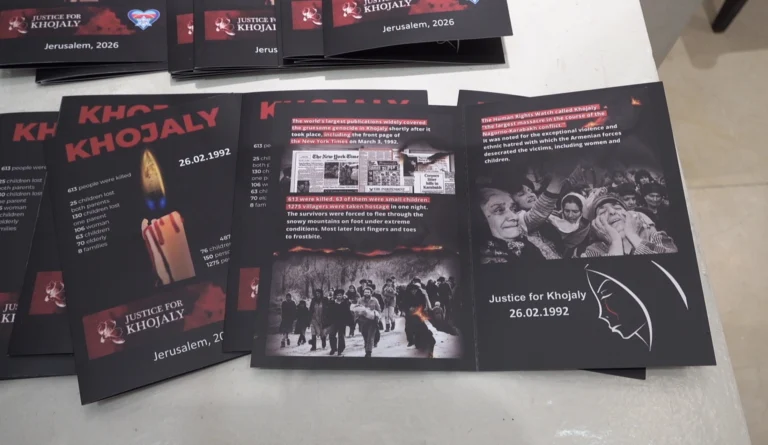
The events surrounding Hodjali on the night of February 25-26, 1992, are pivotal in understanding the region's contemporary dynamics. During this night, a massacre took place, resulting in the deaths of many civilians. This event has left an indelible mark on the collective memory of the Azerbaijani people and continues to influence the region's geopolitical landscape.
The Connection to the Jewish Community
The Jewish community in Azerbaijan has a long and rich history, dating back to ancient times. Jews have lived in harmony with their Azerbaijani neighbors for centuries, contributing to the cultural and social fabric of the country. The relationship between the Jewish community and the Azerbaijani people is characterized by mutual respect and cooperation.
While Hodjali itself was not a center of Jewish life, the broader context of the Nagorno-Karabakh conflict affected all ethnic groups in the region, including Jews. The aftermath of the conflict saw many Jews leaving their homes, and the events in Hodjali serve as a reminder of the importance of coexistence and the need for peace in the region.
Significance of Hodjali in Jewish Culture
Hodjali's significance extends beyond its tragic history. It serves as a symbol of resilience and the enduring spirit of the Azerbaijani people, including its Jewish community. The memory of Hodjali is preserved through various cultural expressions, including art, literature, and community discussions.
- Commemoration: The events in Hodjali are commemorated annually, reflecting on the importance of remembrance and the need to advocate for peace and reconciliation.
- Education: Educational initiatives within the Jewish community aim to raise awareness about the history of Hodjali and its implications for ethnic relations in Azerbaijan.
- Cultural Integration: The Jewish community often participates in broader Azerbaijani cultural events, fostering a spirit of unity and shared history.
Current Relevance and Challenges
Today, the legacy of Hodjali continues to resonate within Azerbaijan and among the Jewish community. The ongoing dialogue about the Nagorno-Karabakh conflict remains relevant, as it highlights the need for understanding and addressing historical grievances.
Moreover, the Jewish community in Azerbaijan faces several challenges, including the preservation of their cultural identity and the need for inter-community dialogue. The events at Hodjali serve as a poignant reminder of the consequences of conflict and the importance of working towards a peaceful future.
Conclusion
The term "חודג'אלי" is more than just a historical reference; it encapsulates the struggles and triumphs of the Azerbaijani people, including the Jewish community. Understanding its significance is crucial for fostering mutual respect and promoting peace in a region marked by its complex history.
As we remember the events of Hodjali, it is vital to engage in dialogues that promote healing and reconciliation, ensuring that the lessons learned from the past guide us towards a harmonious future for all ethnic groups in Azerbaijan.
קראו את המאמרים העדכניים בנושא «חודג'אלי» בפורטל החדשות היהודי של אזרבייג'ן. כל התכנים מתעדכנים באופן קבוע.