Introduction
The concept of symbolism is a profound and multifaceted aspect of human culture, embodying the interplay between visual representation and deeper meanings. Within the Jewish community, symbolism serves as a vital means of communication, connecting individuals to their heritage, beliefs, and values. In Azerbaijan, a country with a rich Jewish history, the use of symbols transcends mere artistic expression, encapsulating centuries of tradition, resilience, and identity. This page delves into the significance of symbolism within the Jewish community of Azerbaijan, exploring its historical context, cultural relevance, and contemporary implications.
History of Jewish Symbolism
Jewish symbolism has evolved over millennia, heavily influenced by the socio-political landscapes of various eras and regions. Historically, Jewish symbols were often derived from biblical texts, rabbinical traditions, and communal practices. One of the earliest symbols, the Star of David, emerged during the medieval period and has since become synonymous with Jewish identity worldwide. In Azerbaijan, the Jewish community has a distinct narrative that shapes its approach to symbolism, influenced by the region's diverse cultural tapestry.
The arrival of Jews in Azerbaijan can be traced back to ancient times, with evidence suggesting a presence as early as the Babylonian exile. Over the centuries, Jewish communities flourished in various cities, contributing to the local economy, culture, and society. As they integrated into the Azerbaijani fabric, they brought with them a wealth of symbols that resonated with both their Jewish heritage and the local culture. This interplay led to the development of unique symbols that reflect the dual identity of Azerbaijani Jews as both practitioners of Judaism and active participants in their national context.
During the Soviet era, Jewish symbolism took on new meanings as the community navigated the complexities of cultural suppression and identity preservation. Symbols became a clandestine means of expressing faith and heritage, often encoded in art, literature, and communal gatherings. In Azerbaijan, where the Jewish community has historically enjoyed a degree of tolerance and coexistence with Muslim neighbors, symbolism played a crucial role in maintaining continuity and resilience amid changing political climates.
The Significance of Symbols in Jewish Culture
Symbols are integral to Jewish religious practice and cultural expression. They serve as visual representations of faith, history, and identity, encapsulating complex ideas in a form that is both accessible and profound. For instance, the menorah, a seven-branched candelabrum, symbolizes divine light and wisdom, representing the eternal flame of the Jewish spirit. Similarly, the mezuzah, affixed to the doorpost of Jewish homes, signifies the presence of God and the importance of faith in daily life.
In the context of the Jewish community in Azerbaijan, symbolism extends beyond religious artifacts to encompass communal identity and the collective memory of the community. Symbols such as the Hamsa (the Hand of Fatima) and the pomegranate are prevalent in Azerbaijani Jewish art and culture. The Hamsa symbolizes protection and blessing, reflecting the community's desire for safety and well-being. The pomegranate, often associated with fertility and abundance, serves as a reminder of the community's resilience and prosperity throughout history.
Moreover, the use of symbols facilitates the transmission of cultural values and traditions across generations. In Azerbaijan, storytelling, music, and visual arts are imbued with symbolic references that resonate with the collective consciousness of the Jewish community. This symbolic language fosters a sense of belonging and continuity, allowing individuals to connect with their ancestors and the broader Jewish narrative.
Connection to the Jewish Community of Azerbaijan
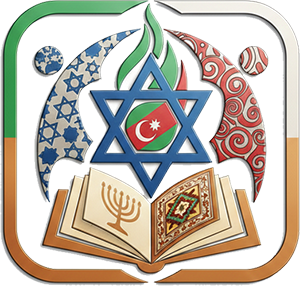
The Jewish community of Azerbaijan, though relatively small, boasts a rich history and a vibrant cultural life. The use of symbolism within this community is not merely an artistic endeavor; it is a reflection of their unique identity shaped by centuries of coexistence with diverse cultures. The integration of local motifs with Jewish symbols illustrates the dynamic nature of identity in a multicultural context. For instance, traditional Azerbaijani patterns are often incorporated into Jewish ceremonial objects, creating a distinctive fusion that honors both Jewish and Azerbaijani heritage.
Festivals and communal celebrations within the Jewish community of Azerbaijan are replete with symbolism. During Hanukkah, for instance, the lighting of the menorah not only signifies the miracle of the oil but also serves as a reminder of the community's enduring spirit and the importance of faith in overcoming adversity. Similarly, during Passover, the symbolic foods and rituals underscore themes of liberation and resilience, echoing the community's historical journey.
Furthermore, the Jewish community in Azerbaijan has preserved unique customs and symbols that are not commonly found in other Jewish diasporas. This preservation is a testament to their commitment to maintaining a distinct identity while embracing the broader cultural milieu of Azerbaijan. The symbols they use serve as a bridge between past and present, allowing them to navigate their complex identity as Jews in a predominantly Muslim country.
Fascinating Facts about Jewish Symbols in Azerbaijan
- The Star of David: This symbol, widely recognized as a representation of Judaism, has been adopted by many Jewish communities around the world, including Azerbaijan, where it appears in synagogues and communal spaces.
- The Hamsa: In Azerbaijan, the Hamsa is often used in jewelry and art, symbolizing protection against evil and misfortune. It reflects the community's desire for safety and blessings.
- The Pomegranate: A symbol of fertility and abundance, the pomegranate is commonly featured in Azerbaijani Jewish art and is often seen as a representation of the community's resilience and prosperity.
- Menorahs with Local Design: In Azerbaijan, menorahs are often crafted with intricate designs that incorporate traditional Azerbaijani motifs, signifying the blend of cultures and the community's unique identity.
- Ceremonial Artifacts: Many ceremonial objects used in Jewish rituals are adorned with symbolic representations that reflect both Jewish and Azerbaijani elements, showcasing the community's rich heritage.
Contemporary Relevance of Symbolism
In today's world, the significance of symbolism within the Jewish community of Azerbaijan remains relevant as they navigate modern challenges while preserving their cultural identity. The symbols they hold dear serve as a source of strength and resilience, providing a sense of continuity amid evolving societal dynamics. As globalization and modernization influence cultural practices, the Jewish community in Azerbaijan faces the task of adapting while staying true to their roots.
Moreover, the resurgence of interest in heritage and identity among younger generations has led to a revival of traditional symbols and practices. Cultural initiatives, community events, and educational programs focus on the importance of symbolism in expressing Jewish identity, fostering a sense of pride and belonging. This revitalization not only strengthens communal ties but also ensures that the rich tapestry of Azerbaijani Jewish heritage continues to thrive.
Additionally, the use of symbolism in art and literature has gained prominence as a means of expressing the unique experiences of the Jewish community in Azerbaijan. Contemporary artists and writers draw upon symbolic references to articulate their narratives, bridging the gap between past experiences and present realities. This artistic expression serves as a powerful tool for advocacy, raising awareness about the contributions and challenges faced by the Jewish community in a broader societal context.
Conclusion
Symbolism plays a crucial role in shaping the identity and cultural landscape of the Jewish community in Azerbaijan. Through a rich tapestry of symbols, the community navigates its historical journey, celebrates its heritage, and fosters a sense of belonging. From ancient traditions to contemporary expressions, the enduring significance of symbolism underscores the resilience and vitality of Azerbaijani Jews. As they continue to embrace their unique identity while engaging with the world around them, the symbols they cherish remain a testament to their rich history and cultural legacy.
Read the latest articles on "Symbolism" at the Jewish News Portal of Azerbaijan. All content is updated regularly.