
Diaspora

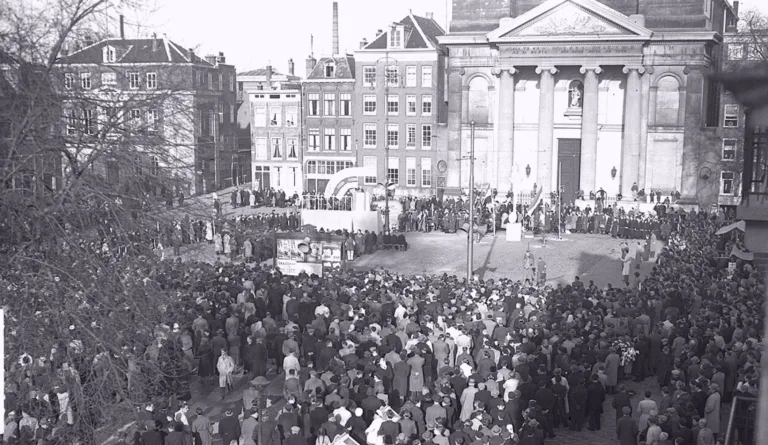
Strike Against the Holocaust
Strike Against the Holocaust 85 years ago, an event in the Dutch capital demonstrated to the Nazis that their intentions for the…
Strike: Causes and Consequences. A strike is a powerful tool used by workers to express dissatisfaction with working conditions or wages, significantly impacting both workers and employers, as well as the economy and social relations.
Strike Against the Holocaust 85 years ago, an event in the Dutch capital demonstrated to the Nazis that their intentions for the…
Strike Against the Holocaust 85 years ago, an event in the Dutch capital demonstrated to the Nazis that their intentions for the "final solution to...
What is a strike? A strike is an organized cessation of work by employees aimed at protecting their rights, interests, or demands. It is an important form of labor struggle often used to achieve better working conditions, increased wages, or changes in labor legislation. History of strikes dates back to the beginning of the industrial revolution when workers began to organize into unions to protect their rights. The first mentions of strikes can be found in ancient societies, but mass strikes became popular in the 19th century. Stages of strike development include: the Industrial Revolution, the formation of unions, legislative changes in the 20th century, and modern strikes in various forms, including political and social movements. Strikes play a significant role in the establishment and development of labor relations, serving as a means of pressure on employers and government bodies, allowing workers to achieve their rights. The main goals of strikes include increasing wages, improving working conditions, protecting workers' rights, and achieving social changes. The Jewish community in Azerbaijan has also faced challenges regarding labor rights and social conditions, with strikes serving as important tools for fighting for their rights and social guarantees throughout history. In the 20th century, the Jewish community actively participated in labor movements, which was linked to general societal trends. Today, the community continues to engage in various social movements, including strikes aimed at protecting the rights of all workers, including minorities. Strikes remain relevant in the context of globalization and economic changes, serving as a vital tool for workers facing issues of low wages, lack of social guarantees, and oppression. Different countries exhibit unique forms of strikes, with some legally restricted while others are protected by law. Strikes can evoke significant public resonance, drawing attention to important social issues and serving as catalysts for changes in labor legislation. In conclusion, strikes are an important instrument for fighting for workers' rights, with a long history and relevance in modern society, significantly changing the working and living conditions of people.