Introduction
The Persian Gulf, a vital waterway nestled between the Arabian Peninsula and Iran, is more than just a geographical entity; it is a region rich in history, culture, and socio-political significance. Stretching approximately 1,000 kilometers and bordered by several nations, including Saudi Arabia, Iran, the United Arab Emirates, Qatar, Kuwait, and Iraq, the gulf has been a crossroads for trade, culture, and exchange for centuries. Its strategic location has made it a focal point of maritime navigation and a center for the global oil industry, significantly impacting the economies and politics of the surrounding nations.
This body of water has also played a crucial role in the history of the Jewish community in Azerbaijan. The connections between the Persian Gulf region and Azerbaijan are deeply entwined with the Jewish diaspora, particularly the Persian Jews and their migration patterns. The rich tapestry of Jewish history in Azerbaijan showcases a unique blend of cultural influences, shaped by the interactions between Jewish communities and their Persian neighbors.
In this detailed exploration, we will delve into the history of the Persian Gulf, its significance, its connection to the Jewish community in Azerbaijan, interesting facts, and its contemporary relevance. This comprehensive narrative will not only highlight the Persian Gulf's role as a geographical and economic powerhouse but also its importance in the cultural and historical context of the Jewish people in Azerbaijan.
History of the Persian Gulf
The history of the Persian Gulf dates back thousands of years, with evidence of human settlements around its shores as early as the Neolithic period. Ancient civilizations such as the Sumerians, Babylonians, and Persians thrived along the gulf, utilizing its resources for trade and sustenance. The region served as a vital trade route, facilitating the exchange of goods, ideas, and cultures between the East and the West. The discovery of oil in the early 20th century transformed the Persian Gulf from a primarily agrarian society into a booming hub of economic activity.
The strategic importance of the Persian Gulf has made it a focal point for various empires throughout history. The Achaemenid Empire, for example, established control over the region, allowing for the flourishing of trade and cultural exchange. Following the Achaemenids, the Sassanid Empire continued this legacy, connecting the Persian Gulf with the Silk Road and further integrating it into the global economy. The advent of Islam in the 7th century marked another significant turning point, as the gulf became a critical area for the spread of Islamic culture and influence.
In the modern era, the Persian Gulf has gained prominence due to its vast oil reserves, which have attracted international interest and investment. The geopolitical landscape of the region has been shaped by the discovery of oil, leading to the establishment of several Gulf states that have become key players in the global energy market. The Gulf Cooperation Council (GCC), formed in 1981, exemplifies the economic and political collaboration among these states, further emphasizing the region's importance on the world stage.
Significance of the Persian Gulf
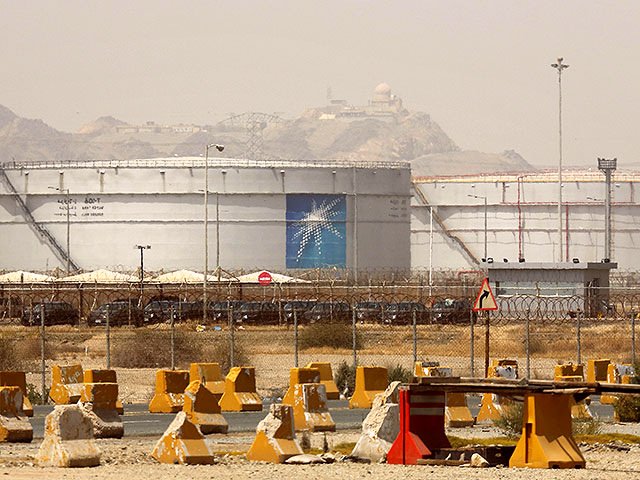
The Persian Gulf holds immense significance for several reasons, encompassing economic, cultural, and geopolitical dimensions. Economically, the region is one of the richest in the world, primarily due to its vast oil and natural gas reserves. According to the U.S. Energy Information Administration, the Persian Gulf countries hold approximately 60% of the world's proven oil reserves and a significant portion of its natural gas. This abundance has led to unprecedented economic growth and development in the region, transforming the Gulf states into some of the wealthiest nations globally.
Culturally, the Persian Gulf is a melting pot of diverse traditions and histories. The interaction between various ethnic groups, including Arabs, Persians, and expatriates from around the world, has fostered a rich cultural tapestry. This diversity is reflected in the region's art, music, literature, and culinary traditions. The Persian Gulf has also been a site for religious exchanges, with Islam, Zoroastrianism, and various other belief systems coexisting and influencing one another over centuries.
Geopolitically, the Persian Gulf is of paramount importance due to its strategic location. It serves as a maritime route for a significant portion of the world's oil supply, with an estimated one-third of global oil shipments passing through the Strait of Hormuz. This critical chokepoint has made the region a focal point of international diplomacy and military presence, as various nations seek to secure their interests in the area. Tensions between regional powers, coupled with external influences, have further complicated the geopolitical landscape, making the Persian Gulf a key area of focus for global security and stability.
Connection to the Jewish Community in Azerbaijan
The Jewish community in Azerbaijan has a rich and diverse history that is intricately linked to the broader historical narratives of the Persian Gulf region. The presence of Jewish people in Azerbaijan can be traced back centuries, with significant migrations from Persia, especially during periods of persecution and conflict. The Persian Jews, known as "Persian Jews," have contributed to the cultural and social fabric of Azerbaijan, enriching its heritage.
Azerbaijan's location along the Silk Road facilitated cultural exchange and trade between Jewish communities in Persia and those in the Caucasus region. This interaction allowed for the sharing of religious practices, customs, and economic activities, fostering a unique blend of Azerbaijani and Persian Jewish identities. The Jewish community in Azerbaijan has traditionally been known for its resilience, adaptability, and commitment to preserving its cultural heritage amidst changing political landscapes.
Throughout history, the Jewish community has maintained strong ties with the Persian Gulf, particularly during the Safavid and Qajar periods in Iran. Many Jews from Persia sought refuge in Azerbaijan during times of persecution, bringing with them their customs, traditions, and religious practices. The community's connection to the Persian Gulf continues to be significant today, as Azerbaijan serves as a bridge between different cultures and societies in the region. The Jewish community in Azerbaijan has played a vital role in promoting dialogue and understanding among diverse groups, fostering a spirit of coexistence and collaboration.
Interesting Facts about the Persian Gulf
- Geographical Features: The Persian Gulf is home to several islands, including Bahrain, Qeshm, and Abu Musa. The gulf's coastline features a variety of ecosystems, ranging from mangroves to coral reefs, supporting diverse marine life.
- Economic Powerhouse: The Persian Gulf is not only rich in oil but also boasts thriving fisheries and tourism industries. Countries like the UAE have developed luxurious resorts and attractions, drawing millions of tourists each year.
- Historical Significance: The Persian Gulf has been a center for trade and cultural exchange for millennia. Ancient trade routes connected the region to India, Africa, and Europe, facilitating the exchange of goods and ideas.
- Environmental Concerns: The rapid industrialization and urbanization of Gulf states have raised environmental concerns, including pollution and the depletion of marine resources. Conservation efforts are underway to protect the region's unique ecosystems.
- Strategic Military Importance: The Persian Gulf is a vital area for military operations, with several countries maintaining a military presence to protect their interests and ensure the security of maritime routes.
Contemporary Relevance of the Persian Gulf
In today's global context, the Persian Gulf remains a region of immense relevance. The geopolitical dynamics of the area are influenced by factors such as energy politics, regional conflicts, and international diplomacy. As the world grapples with climate change and the transition towards renewable energy sources, the Persian Gulf will continue to play a pivotal role in shaping energy policies and global economic trends.
The ongoing tensions between various countries in the region, particularly between Iran and its Gulf neighbors, have implications for regional stability and security. Diplomatic initiatives aimed at fostering dialogue and cooperation are crucial in addressing these challenges and ensuring peace in the Persian Gulf. Additionally, the role of international organizations, such as the United Nations and the Gulf Cooperation Council, is instrumental in mediating conflicts and promoting stability in the area.
Culturally, the Persian Gulf continues to be a hub for artistic and intellectual exchange. The region hosts numerous cultural festivals, art exhibitions, and academic conferences that celebrate its rich heritage and promote dialogue among diverse communities. The Jewish community in Azerbaijan, as part of this cultural landscape, contributes to the ongoing narrative of coexistence and collaboration, highlighting the importance of cultural diversity in fostering understanding and peace.
Conclusion
The Persian Gulf is more than just a body of water; it is a dynamic region steeped in history, culture, and economic significance. Its historical connections to the Jewish community in Azerbaijan showcase the intricate tapestry of human experiences and interactions that have defined the region for centuries. As we navigate the complexities of the modern world, the Persian Gulf will continue to be a focal point for trade, culture, and diplomacy, playing a vital role in shaping our collective future.
Understanding the significance of the Persian Gulf and its relationship with the Jewish community in Azerbaijan not only enriches our knowledge of history but also emphasizes the importance of fostering dialogue and cooperation among diverse cultures. The Persian Gulf stands as a testament to the resilience and adaptability of communities throughout history, reminding us of the enduring power of cultural exchange and human connection.
Read the latest articles on "Persian Gulf" at the Jewish News Portal of Azerbaijan. All content is updated regularly.