
Politics


Trump Reports a “Gift” from Iran in Oil and Gas
In a recent statement, former President Donald Trump highlighted what he referred to as a “gift” from Iran in the oil and…
Oil has long been a cornerstone of Azerbaijan's economy, shaping the nation's history and impacting various communities, including the Jewish community. The rich oil reserves found in the Caspian Sea region have transformed Azerbaijan into a significant player in the global energy market. For the Jewish community, the oil industry is not just an economic driver; it represents a vital source of livelihood and opportunity.
The Jewish community in Azerbaijan has a deep-rooted history, and the discovery of oil in the late 19th century coincided with an era of growth and development for its members. Many Jews were involved in the oil industry, either as laborers or entrepreneurs, contributing to the vibrant economic landscape. Their participation helped elevate their social standing and fostered a sense of pride within the community.
Understanding the importance of oil extends beyond its economic implications; it also plays a crucial role in the cultural and social fabric of the Jewish community. The wealth generated from oil has allowed for investments in education, cultural preservation, and community services that benefit not only Jewish residents but also the broader Azerbaijani society. This economic empowerment has enabled the community to maintain its unique identity while fostering interethnic dialogue and cooperation.
Moreover, oil has facilitated connections between Azerbaijan and the global Jewish diaspora. The wealth generated from this resource has allowed the community to engage in philanthropic endeavors, supporting Jewish organizations and initiatives worldwide. This outreach strengthens ties with Jewish communities abroad, ensuring the preservation and celebration of Jewish heritage in Azerbaijan.
As Azerbaijan continues to evolve in the global oil market, the Jewish community remains a significant part of this narrative. The oil industry not only provides economic sustenance but also reinforces the community's commitment to growth, education, and cultural preservation. By understanding the intricate relationship between oil and the Jewish community in Azerbaijan, one can appreciate the broader implications of this essential resource for both local and global contexts.
In a recent statement, former President Donald Trump highlighted what he referred to as a “gift” from Iran in the oil and…
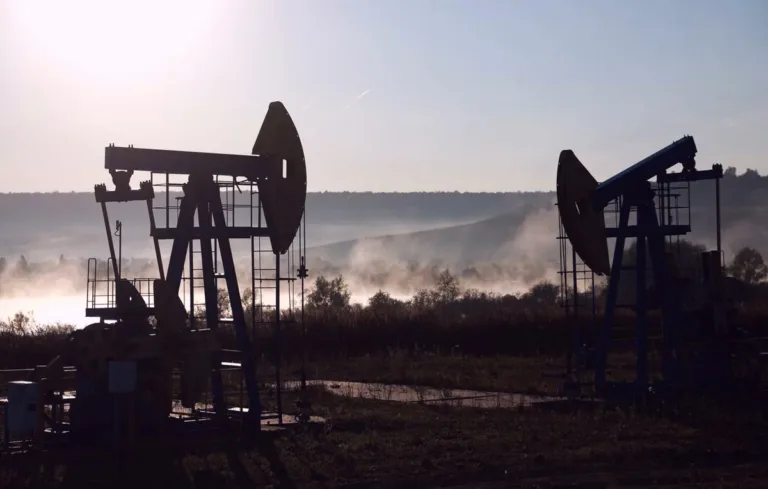
Deal-making in the oil and gas sector in the United States has virtually come to a halt due to market uncertainties caused…

The United States administration is considering the option of lifting the oil sanctions imposed on Russia in order to address the energy…
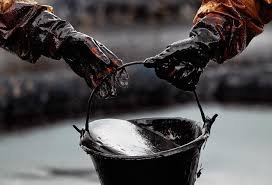
The U.S. government has decided to temporarily relax sanctions that affect India's ability to purchase Russian oil. This move is seen as…
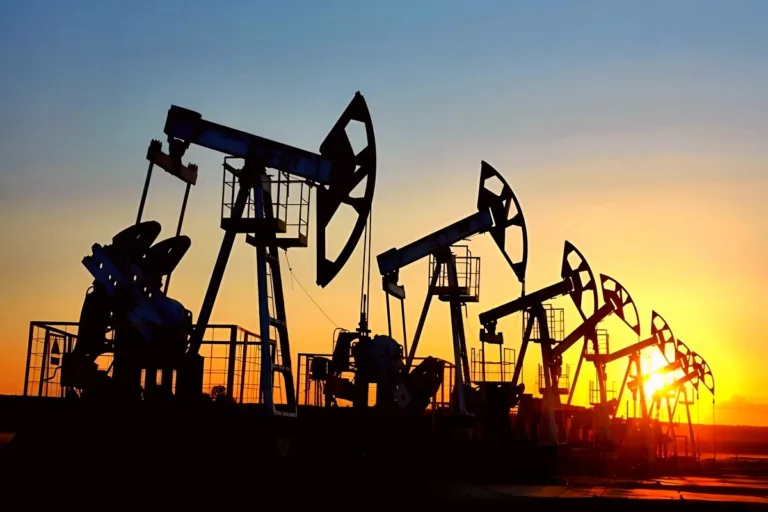
The price of a barrel of Azerbaijani oil grade Azeri Light on international markets has increased by $6.56, reflecting a growth of…

In a recent statement, former President Donald Trump highlighted what he referred to as a “gift” from Iran in the oil and gas sector. He...
Deal-making in the oil and gas sector in the United States has virtually come to a halt due to market uncertainties caused by a sharp…

The United States administration is considering the option of lifting the oil sanctions imposed on Russia in order to address the energy shortages in global...
The U.S. government has decided to temporarily relax sanctions that affect India's ability to purchase Russian oil. This move is seen as a strategic decision...
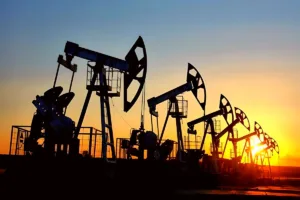
The price of a barrel of Azerbaijani oil grade Azeri Light on international markets has increased by $6.56, reflecting a growth of 8.2%, and now...
Oil has played a crucial role in shaping the economy, culture, and history of Azerbaijan. This natural resource, which is abundant in the region, has not only fueled the local economy but has also had significant social and political ramifications. This article delves into the intricate relationship between oil and the Jewish community in Azerbaijan, exploring its historical significance, economic impact, and cultural relevance.
The history of oil exploration in Azerbaijan dates back to ancient times. Archaeological evidence suggests that oil seeps were known to the inhabitants of the region as early as 3000 BC. The oil fields near the Caspian Sea, particularly in the area around Baku, have been the focal point of oil production for centuries. The first industrial oil well was drilled in Azerbaijan in 1846, marking the beginning of a new era in the oil industry.
By the late 19th century, Azerbaijan had become a leading oil producer globally, with many foreign companies investing in the burgeoning industry. The discovery of oil fields transformed Baku into a bustling industrial hub. This period saw the establishment of many oil companies, including the famous Nobel Brothers Petroleum Company, which played a significant role in the development of the oil industry in Azerbaijan.
The oil boom in Azerbaijan was not just an economic phenomenon; it also had profound social implications. The influx of workers from various regions, including Jewish communities from throughout the Russian Empire, led to a multicultural environment in Baku. This melting pot of cultures contributed to the unique identity of the city and laid the groundwork for the Jewish community's development in Azerbaijan.
Today, oil remains a cornerstone of Azerbaijan's economy. The country is one of the top oil producers in the world, with significant reserves that continue to attract foreign investment. The oil sector accounts for a considerable portion of the country's GDP and exports, making it a vital source of revenue for the Azerbaijani government.
The government has strategically invested in oil infrastructure, including pipelines and refineries, which have bolstered the country's position in the global energy market. The Baku-Tbilisi-Ceyhan pipeline, which transports Azerbaijani oil to international markets, is a prime example of how the country has capitalized on its oil resources to enhance its economic standing.
Moreover, the oil industry has created numerous job opportunities, supporting not only those directly involved in oil extraction but also boosting ancillary industries such as transportation, construction, and services. This economic dynamism has helped improve the living standards of many Azerbaijanis, including members of the Jewish community.
The Jewish community in Azerbaijan has a long and rich history, dating back centuries. The presence of Jews in the region can be traced back to the time of the Babylonian exile, and over the years, they have contributed significantly to the cultural and economic landscape of Azerbaijan. The oil boom in the late 19th and early 20th centuries provided new opportunities for Jewish individuals, many of whom became entrepreneurs, oil magnates, and influential figures in the industry.
Notable Jewish families, such as the Mardakhayevs and the Moshonov family, made their fortunes in the oil business, and their contributions helped shape the economic fabric of Azerbaijan. These families not only invested in oil but also engaged in philanthropy, supporting various cultural and social initiatives within the Jewish community and beyond.
During the Soviet era, the Jewish community faced various challenges, including restrictions on religious practices and cultural expressions. However, the oil industry remained a source of stability and opportunity for many Jewish families, allowing them to maintain a degree of economic independence. The community's resilience and adaptability in the face of adversity were largely supported by the economic benefits derived from the oil sector.
In the contemporary context, oil continues to play a pivotal role in Azerbaijan's economic strategy. As the global energy landscape evolves, with increasing emphasis on renewable energy sources, Azerbaijan faces both challenges and opportunities. The country is actively working towards diversifying its economy by investing in sectors such as tourism, agriculture, and technology, while still leveraging its oil wealth to support these initiatives.
Furthermore, the geopolitical significance of Azerbaijan's oil resources cannot be overstated. The country serves as a critical energy corridor connecting Europe and Asia, particularly through its partnerships with countries like Turkey and Georgia. This strategic positioning has garnered attention from global powers, influencing international relations and trade dynamics.
For the Jewish community in Azerbaijan, the oil industry has provided a foundation for community development and cultural preservation. The economic stability derived from oil revenues has allowed for the maintenance of cultural institutions, synagogues, and educational programs that ensure the continuity of Jewish traditions and heritage.
In conclusion, oil is not merely a natural resource in Azerbaijan; it is a catalyst for economic growth, cultural exchange, and community development. The historical and ongoing significance of the oil industry has shaped the lives of many, including the Jewish community, which has thrived amidst the opportunities presented by this vital sector. As Azerbaijan navigates the complexities of a changing global energy landscape, the impact of oil will undoubtedly remain a central theme in the narrative of the nation and its diverse communities.