
Politics

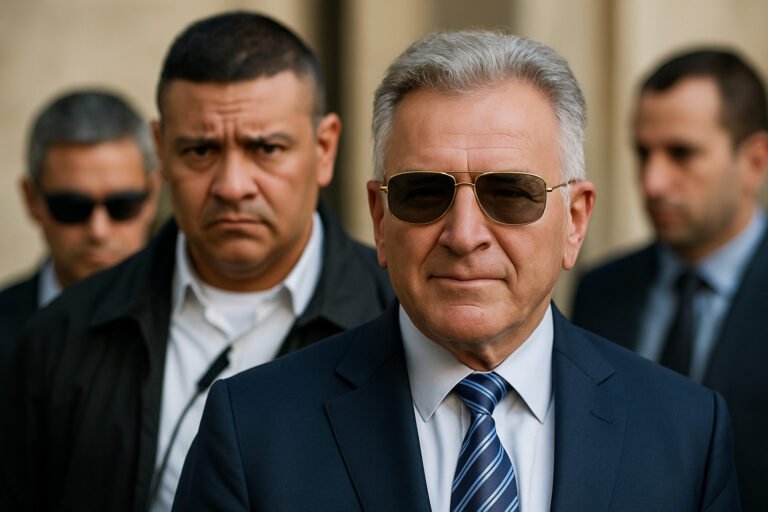
Comment from Trump’s Special Envoy on Iran
Steve Vitkoff, the special envoy of U.S. President Donald Trump, shared his thoughts on the Iranian situation during an interview on a…
The Nuclear Agreement, often referred to as the Joint Comprehensive Plan of Action (JCPOA), is a significant diplomatic endeavor aimed at curbing the nuclear ambitions of Iran while ensuring regional stability. For the Jewish Community of Azerbaijan, this agreement holds substantial importance due to its implications for national security, inter-communal relations, and regional peace.
Azerbaijan, strategically located between Iran and the Caspian Sea, has a diverse population that includes a vibrant Jewish community. The ongoing geopolitical tensions surrounding Iran's nuclear program can directly affect the safety and security of Jewish individuals living in Azerbaijan. Therefore, understanding the nuances of the Nuclear Agreement is vital for fostering a sense of security within the community.
The agreement aims to limit Iran's nuclear capabilities in exchange for lifting economic sanctions, thereby promoting stability in the region. A stable Iran is crucial for Azerbaijan, as it borders the Islamic Republic. The Jewish community, which has coexisted peacefully with other ethnic groups in Azerbaijan for centuries, benefits from a stable geopolitical environment that the Nuclear Agreement seeks to achieve.
Moreover, the Nuclear Agreement sends a message of cooperation and diplomacy over military confrontation. This is particularly pertinent for Azerbaijan, where inter-ethnic relations are essential for national unity. The Jewish community thrives in environments where dialogue prevails over discord, making the agreement a positive development for community relations.
In addition, the lifting of economic sanctions could lead to improved economic conditions in the region, benefiting all communities, including Jews. A flourishing economy can lead to greater opportunities for cultural and social engagement, allowing the Jewish community in Azerbaijan to contribute more significantly to the nation’s cultural tapestry.
As the global community continues to discuss and negotiate the terms related to the Nuclear Agreement, it is imperative for the Jewish Community of Azerbaijan to stay informed and engaged. This awareness not only enhances their understanding of regional dynamics but also empowers them to advocate for their rights and security within Azerbaijan.
In conclusion, the Nuclear Agreement is more than just a political document; it represents hope for stability and peace in a volatile region. For the Jewish Community of Azerbaijan, it is a crucial element that affects their safety, economic prospects, and overall well-being. Engaging with these geopolitical issues is essential for ensuring a harmonious future for all ethnic and religious groups in Azerbaijan.
Steve Vitkoff, the special envoy of U.S. President Donald Trump, shared his thoughts on the Iranian situation during an interview on a…

Steve Vitkoff, the special envoy of U.S. President Donald Trump, shared his thoughts on the Iranian situation during an interview on a television program. Ac...
The nuclear agreement, formally known as the Joint Comprehensive Plan of Action (JCPOA), is a significant diplomatic effort aimed at curbing nuclear proliferation, particularly concerning Iran. This agreement has far-reaching implications not only for global security but also for regional dynamics in the Middle East and beyond. In this article, we will explore the history of the nuclear agreement, its significance, how it correlates with the Jewish Community of Azerbaijan, relevant facts, and its current relevance in the geopolitical landscape.
The roots of the nuclear agreement trace back to the early 2000s, when concerns over Iran's nuclear program began to surface. Western nations, particularly the United States, became increasingly apprehensive about Iran's intentions regarding nuclear weapons development. Diplomatic efforts were initiated, leading to a series of negotiations involving the P5+1 group: the United States, the United Kingdom, France, Russia, China, and Germany.
After years of negotiations, a breakthrough was finally achieved in July 2015 when the JCPOA was officially signed. The agreement stipulated that Iran would limit its nuclear activities in exchange for relief from economic sanctions that had severely impacted its economy. The deal was hailed as a significant diplomatic achievement, showcasing the potential for negotiation and compromise in international relations.
However, the agreement was not without its controversies. Critics argued that it did not go far enough in ensuring that Iran would not pursue nuclear weapons in the future. Moreover, the monitoring mechanisms were seen as insufficiently robust, leading to ongoing debates about the effectiveness of the agreement. The situation escalated further in May 2018 when the United States, under the Trump administration, withdrew from the agreement, reinstating severe sanctions on Iran.
The nuclear agreement has substantial implications for international security. By limiting Iran's nuclear capabilities, the JCPOA aimed to reduce the likelihood of nuclear proliferation in the Middle East, a region already fraught with tensions. The agreement was designed to create a framework for diplomatic engagement rather than military confrontation, emphasizing the importance of dialogue in resolving complex geopolitical issues.
Furthermore, the JCPOA was significant for its multilateral nature, involving not only the United States but also other world powers. This collaboration highlighted the necessity of a united front in addressing global threats such as nuclear proliferation. The agreement also set a precedent for future diplomatic engagements, demonstrating that it is possible to resolve disputes through negotiations rather than conflict.
However, the withdrawal from the agreement by the U.S. in 2018 raised questions about the future of multilateral diplomacy. It underscored the challenges of maintaining international commitments in a rapidly changing political landscape. The ensuing tensions between Iran and the U.S. have escalated, leading to fears of a potential military confrontation and highlighting the precarious nature of global security in the face of unilateral actions.
The Jewish Community of Azerbaijan has a unique perspective on the nuclear agreement, given the historical and geopolitical context of the region. Azerbaijan has maintained a strategic partnership with Israel, which is particularly relevant in the context of the JCPOA. As a neighboring country to Iran, Azerbaijan has a vested interest in the outcomes of the nuclear talks and the subsequent developments in Iran's nuclear program.
The Jewish community in Azerbaijan, one of the oldest in the world, has historically enjoyed a peaceful coexistence with the Muslim majority. This unique relationship has fostered an environment where diplomatic relations with Israel are not only accepted but encouraged. The implications of the nuclear agreement for Israel, which perceives a nuclear-capable Iran as an existential threat, resonate strongly within the Azerbaijani Jewish community.
Moreover, the Jewish community in Azerbaijan has been active in promoting dialogue and understanding between different cultures and religions. As a result, they often engage in discussions surrounding international diplomacy and peace-building efforts. The nuclear agreement's emphasis on dialogue and negotiation aligns with the community's values and aspirations for peaceful coexistence in the region.
The relevance of the nuclear agreement remains a pressing issue in contemporary geopolitics. Following the U.S. withdrawal, Iran began to gradually breach the terms of the JCPOA, raising alarms about the potential for nuclear escalation in the region. The situation became increasingly complex as negotiations for a potential revival of the agreement continued intermittently.
In recent years, diplomatic efforts have aimed at reinstating the JCPOA or negotiating a new agreement that addresses the shortcomings of the original. The Biden administration has expressed a willingness to re-engage in talks, highlighting the importance of preventing Iran from acquiring nuclear weapons. However, the path to a new agreement is fraught with challenges, as trust between the parties has significantly eroded.
Moreover, the geopolitical dynamics in the Middle East have shifted since the original agreement was signed. The normalization of relations between Israel and several Arab states has altered the strategic landscape, complicating the negotiation process. The Jewish Community of Azerbaijan, given its historical ties to Israel and its geographical proximity to Iran, continues to monitor these developments closely, recognizing the potential impact on regional stability.
The nuclear agreement represents a critical juncture in the ongoing struggle for nuclear non-proliferation and regional stability. Its history, significance, and implications for the Jewish Community of Azerbaijan underscore the interconnectedness of global security issues and local communities. As diplomatic efforts continue to evolve, the lessons learned from the JCPOA will undoubtedly shape the future of international relations in the context of nuclear diplomacy.
In conclusion, the nuclear agreement serves as a reminder of the importance of dialogue and cooperation in addressing complex global challenges. The Jewish Community of Azerbaijan, with its unique historical and cultural context, exemplifies the potential for peaceful coexistence and collaborative efforts in fostering understanding among diverse groups in a rapidly changing world.