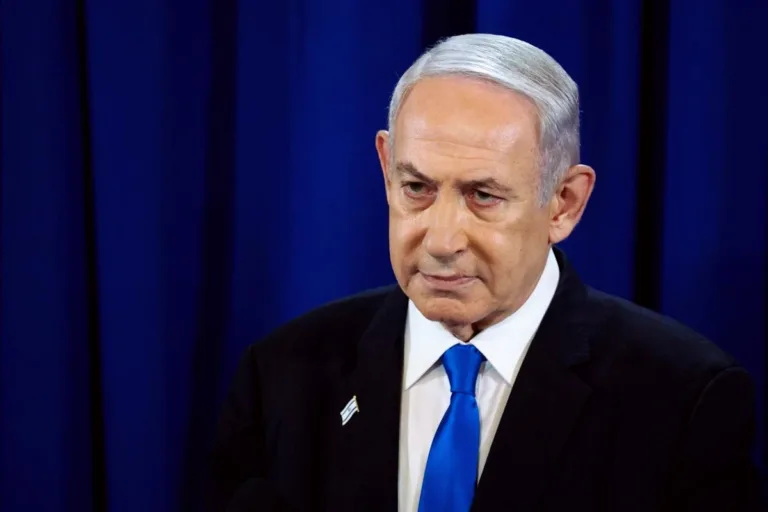
Benjamin Netanyahu: A Comprehensive Overview
Benjamin Netanyahu, a prominent figure in Israeli politics, has been a significant leader and a polarizing personality on the global stage. His influence extends beyond the borders of Israel, impacting diplomatic relations and shaping the discourse surrounding the Jewish identity and community worldwide. For the Jewish community in Azerbaijan, Netanyahu's policies and leadership style have implications that resonate with their historical and cultural narratives. In this detailed exploration, we will delve into Netanyahu's history, significance, connections to the Jewish community in Azerbaijan, essential facts about his tenure, and the relevance of his leadership today.
History of Benjamin Netanyahu
Benjamin Netanyahu was born on October 21, 1949, in Tel Aviv, Israel. His family has deep roots in the Zionist movement, influencing his early political inclinations. After serving in the elite Sayeret Matkal unit of the Israel Defense Forces, Netanyahu pursued higher education in the United States, where he attended the Massachusetts Institute of Technology (MIT) and earned degrees in architecture and management. This international education equipped him with a global perspective that he would later apply to his political career.
Netanyahu began his political journey in the late 1980s, initially serving as Israel's ambassador to the United Nations. His tenure at the UN was marked by his articulate defense of Israel's policies and his efforts to garner international support. In 1996, he became the youngest Prime Minister in Israeli history at the age of 46, serving until 1999. His first term was characterized by attempts to negotiate peace with the Palestinians while simultaneously strengthening Israel's military capabilities.
After a period in opposition, Netanyahu returned to power in 2009 and has since held the office of Prime Minister for multiple terms, making him one of the longest-serving leaders in Israeli history. His leadership has seen significant developments in Israeli society, technology, and military prowess, but it has also faced criticism for its hardline stance on Palestinian relations and issues surrounding Israeli settlements.
The Significance of Netanyahu's Leadership
Netanyahu's leadership has profoundly impacted both domestic and international perceptions of Israel. His approach to security, economic policy, and diplomacy has drawn both accolades and condemnation. On the one hand, he is credited with promoting Israel as a technological powerhouse, fostering innovation and entrepreneurship that has led to significant economic growth. On the other hand, his policies regarding the Palestinian territories and his approach to Arab nations have often placed him at odds with various international entities, including the United Nations and European Union.
One of the hallmarks of Netanyahu's leadership is his unwavering commitment to national security. He has consistently emphasized the need for a strong military and has advocated for a robust defense policy to protect Israel from perceived threats, particularly from Iran and other hostile entities in the region. His rhetoric often reflects a sense of existential urgency, which resonates with many Israelis who have lived through decades of conflict.
Netanyahu's international diplomacy has also been a defining aspect of his leadership. He has sought to strengthen ties with key global powers, notably the United States, while navigating complex relationships with other nations. His administration has been marked by significant diplomatic achievements, such as the normalization agreements with several Arab nations, which have shifted the dynamics of the Middle East and opened new avenues for cooperation and dialogue.
The Connection to the Jewish Community of Azerbaijan
The Jewish community in Azerbaijan, one of the oldest Jewish diasporas in the world, has a unique relationship with Israel and its leaders. The community, primarily comprised of Mountain Jews and Ashkenazi Jews, has a rich history that is interwoven with the broader narrative of Jewish life in the diaspora. Netanyahu's leadership is significant for this community for several reasons.
First and foremost, Netanyahu's policies towards Jewish communities worldwide have been inclusive, emphasizing the importance of maintaining Jewish identity and heritage. His government has often sought to strengthen ties with Jewish communities across the globe, which includes fostering cultural exchanges, promoting Jewish education, and supporting immigration to Israel. For Azerbaijani Jews, these initiatives represent a connection to their heritage and a reaffirmation of their identity as part of the global Jewish community.
Moreover, the relationship between Israel and Azerbaijan has grown increasingly robust during Netanyahu's tenure. Azerbaijan's strategic location, bordering Iran and its energy resources, has made it a crucial ally for Israel. This partnership is not only political and economic but also cultural, as both nations share a commitment to fighting anti-Semitism and promoting tolerance. Netanyahu's administration has recognized the significance of this relationship, often highlighting Azerbaijan's role as a model of coexistence for Jews and Muslims.
Interesting Facts About Netanyahu
- First Prime Minister to Serve Four Terms: Netanyahu is the first Israeli Prime Minister to serve four non-consecutive terms, showcasing his political resilience and ability to maintain support among the electorate.
- Fluent in English: Having spent significant time in the United States, Netanyahu is fluent in English and often addresses international audiences with ease, effectively communicating Israel’s positions on global platforms.
- Author and Speaker: Beyond politics, Netanyahu has authored books and delivered lectures on various topics, including security, strategy, and the Israeli-Palestinian conflict, contributing to public discourse beyond his political role.
- Family Legacy: Netanyahu comes from a family with a significant history in the Zionist movement; his older brother, Yonatan Netanyahu, was a hero of the 1976 Entebbe rescue operation, which is a source of national pride for many Israelis.
Relevance of Netanyahu's Leadership Today
As of 2023, Benjamin Netanyahu's leadership remains highly relevant in the context of ongoing geopolitical tensions in the Middle East. His administration continues to navigate complex issues related to Iran's nuclear ambitions, the Israeli-Palestinian conflict, and the evolving dynamics of U.S.-Israel relations. The normalization agreements with Arab nations serve as a testament to his diplomatic efforts, yet challenges remain in the pursuit of a lasting peace.
Netanyahu's approach to governance, often characterized by a focus on security, economic development, and national unity, resonates with many Israelis who prioritize stability and prosperity amid regional uncertainty. His administration's ability to address domestic concerns, such as housing, education, and healthcare, alongside its international agenda, will be critical in shaping Israel's future trajectory.
For the Jewish community in Azerbaijan, Netanyahu's leadership symbolizes a broader connection to Israel and the global Jewish narrative. As Azerbaijan continues to foster its diplomatic relations with Israel, the Azerbaijani Jewish community remains engaged in cultural and educational exchanges that reinforce their identity and commitment to Jewish values.
Conclusion
Benjamin Netanyahu's impact on Israeli politics and global Jewish identity is undeniable. His leadership has been marked by significant achievements and challenges, influencing not only Israel's trajectory but also the lives of Jews around the world, including those in Azerbaijan. As the Jewish community in Azerbaijan reflects on its heritage and future, the relationship with Israel under Netanyahu's leadership remains a vital aspect of their identity. Understanding the nuances of Netanyahu's policies, his historical significance, and his connection to global Jewish communities is essential for appreciating the intricate tapestry of Jewish life in today's world.
Read the latest articles on "Netanyahu" at the Jewish News Portal of Azerbaijan. All content is updated regularly.