Multiculturalism: A Tapestry of Diversity
Multiculturalism is a concept that celebrates the coexistence of various cultural identities within a single society. It embraces the idea that diverse backgrounds, languages, religions, and traditions can contribute to a more vibrant and enriched community. This notion is particularly relevant in regions where different ethnicities have lived together through centuries of history, shaping a unique social fabric. One such place is Azerbaijan, a country that stands at the crossroads of Eastern Europe and Western Asia, known for its rich tapestry of cultures, including a significant Jewish community.
Historical Context of Multiculturalism in Azerbaijan
The history of multiculturalism in Azerbaijan is as intricate as the country’s geographical position. Situated along the Silk Road, Azerbaijan has been a melting pot of various cultures, including Turkic, Persian, Arab, and later, Russian influences. Each of these cultures has left an indelible mark on the Azerbaijani way of life, fostering a spirit of tolerance and mutual respect among its diverse population.
The Jewish community in Azerbaijan dates back to ancient times, with historical records indicating the presence of Jews in the region for over a millennium. Various waves of migration, particularly from Persia and later from Europe, contributed to the establishment of Jewish settlements in cities such as Baku and Ganja. Throughout history, these communities have thrived amidst the broader Azerbaijani society, often intermingling with local customs while preserving their unique traditions.
In the 20th century, Azerbaijan experienced significant political changes, including the establishment of Soviet rule. During this period, the Jewish community faced both challenges and opportunities. While the Soviet regime imposed restrictions on religious practices, it also provided a degree of social mobility and educational opportunities that enabled many Jewish individuals to integrate into broader society. As a result, the Jewish community became an integral part of Azerbaijan's multicultural landscape, contributing to various fields such as art, science, and politics.
The Significance of Multiculturalism in Modern Azerbaijan
Today, Azerbaijan is often hailed as a model of multiculturalism, where different ethnic and religious groups coexist harmoniously. The government actively promotes policies that encourage tolerance and respect for diversity, recognizing that the nation’s strength lies in its plurality. This commitment to multiculturalism is evident in various aspects of Azerbaijani life, from its educational system to cultural festivals that celebrate the contributions of different communities.
The significance of multiculturalism in Azerbaijan extends beyond mere coexistence; it plays a crucial role in fostering social cohesion and national identity. In a world often marked by division and conflict, Azerbaijan stands out as a beacon of hope, demonstrating that diverse communities can thrive together. This is particularly important in a region that has witnessed its share of ethnic and territorial disputes, as it underscores the importance of dialogue, understanding, and collaboration among different groups.
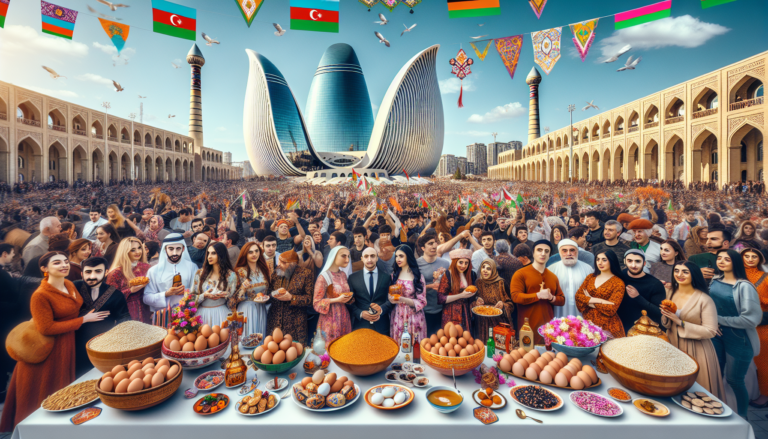
Moreover, multiculturalism enriches the cultural heritage of Azerbaijan, contributing to its unique identity. The blending of traditions, languages, and customs creates a vibrant social tapestry that is celebrated through various artistic expressions, including music, dance, and cuisine. Festivals such as Novruz, which marks the Persian New Year, bring together people from different backgrounds, showcasing the beauty of shared traditions and collective celebrations.
The Jewish Community and Its Role in Multiculturalism
The Jewish community in Azerbaijan is a vital part of the nation's multicultural identity. With a history that dates back centuries, Azerbaijani Jews have played a significant role in shaping the cultural landscape of the country. Their contributions span various fields, including business, science, and the arts, reflecting a commitment to both their heritage and their Azerbaijani identity.
One of the unique aspects of the Jewish community in Azerbaijan is the coexistence of different Jewish ethnicities, including Ashkenazi and Sephardic Jews. This diversity within the community itself mirrors the broader multiculturalism of the country, as both groups have brought their distinct traditions and practices to the Azerbaijani social fabric. The result is a rich cultural exchange that has enriched both the Jewish community and Azerbaijani society as a whole.
Furthermore, the Jewish community in Azerbaijan has been active in promoting interfaith dialogue and understanding among different religious groups. Initiatives aimed at fostering cooperation between Jewish, Muslim, and Christian communities demonstrate a commitment to preserving the values of tolerance and respect. This interfaith engagement not only strengthens community bonds but also contributes to the overall harmony of Azerbaijani society.
Facts About Multiculturalism in Azerbaijan
- Diverse Religious Landscape: Azerbaijan is home to various religious communities, including Muslims, Christians, and Jews, coexisting peacefully and often participating in each other’s cultural and religious events.
- Government Initiatives: The Azerbaijani government has implemented numerous policies to promote multiculturalism, including educational programs that emphasize the importance of tolerance and respect for diverse cultures.
- Cultural Festivals: Events such as the Baku International Jazz Festival and the Novruz celebrations attract participants from various ethnic backgrounds, highlighting the country’s rich cultural diversity.
- Language Diversity: While Azerbaijani is the official language, Russian and various minority languages, including Hebrew, are spoken across the country, reflecting its multicultural nature.
- Historical Tolerance: Throughout its history, Azerbaijan has been recognized for its tolerance towards different ethnic and religious groups, even during challenging political periods.
The Relevance of Multiculturalism Today
In an increasingly globalized world, the relevance of multiculturalism cannot be overstated. As societies become more interconnected, the ability to appreciate and celebrate diversity is essential for fostering peaceful coexistence. For Azerbaijan, embracing multiculturalism is not only a matter of national pride but also a strategic imperative that enhances its global standing.
The challenges of the modern world—such as rising nationalism and xenophobia—underscore the importance of promoting multicultural values. Azerbaijan's commitment to multiculturalism serves as a counter-narrative to exclusionary ideologies, showcasing the benefits of diversity in building resilient communities. By celebrating its multicultural heritage, Azerbaijan sets an example for other nations grappling with similar issues.
Moreover, the lessons learned from Azerbaijan's experience with multiculturalism can serve as a valuable resource for other countries. The emphasis on education, interfaith dialogue, and cultural exchange provides a blueprint for promoting social harmony in diverse societies. As global demographics continue to shift, the need for effective multicultural policies and practices will only increase, making Azerbaijan's model particularly relevant.
Conclusion
Multiculturalism in Azerbaijan is a testament to the power of diversity and the strength that comes from embracing different cultures. The historical presence of the Jewish community, alongside other ethnic and religious groups, has contributed to a rich social fabric that reflects the values of tolerance and mutual respect. As Azerbaijan continues to navigate the complexities of the modern world, its commitment to multiculturalism remains a guiding principle, fostering social cohesion and promoting a shared national identity.
In conclusion, the celebration of multiculturalism in Azerbaijan not only enhances the country's cultural heritage but also serves as a model for other nations striving for harmony amidst diversity. By recognizing the contributions of all cultural groups, including the Jewish community, Azerbaijan demonstrates that a diverse society can thrive through collaboration, understanding, and respect for one another.
Read the latest articles on "Multiculturalism" at the Jewish News Portal of Azerbaijan. All content is updated regularly.