Middle East: A Cultural and Historical Overview
The Middle East, a region that straddles the continents of Asia and Africa, has long been a focal point of human civilization, rich in history, culture, and diversity. From the ancient empires that rose and fell in this arid landscape to the modern geopolitical struggles that define current events, the Middle East is a tapestry woven from the threads of its many peoples, religions, and cultures. In this extensive text, we will explore the historical significance of the Middle East, its cultural contributions, and its current relevance, particularly in the context of the Jewish community in Azerbaijan. This exploration will reveal how the Middle East continues to shape identities and communities, making it a region of continued interest and importance.
History of the Middle East
The history of the Middle East is as complex as it is rich, dating back thousands of years to some of the earliest known civilizations. The Sumerians, Akkadians, Babylonians, and Assyrians were among the first to inhabit the region, contributing significantly to early advancements in writing, architecture, and governance. The invention of cuneiform writing in Mesopotamia, for instance, laid the groundwork for future communication and record-keeping.
As time progressed, the Middle East witnessed the rise of empires such as the Persian Empire, which at its height spanned three continents, showcasing the region's capacity for cultural exchange and influence. The spread of major religions—Judaism, Christianity, and Islam—further marked the Middle East as a significant crossroads of faith and belief. Each of these religions has deep roots in the region, with sacred texts and historical narratives tied to its landscapes.
The Middle Ages brought about the Islamic Golden Age, a time of remarkable intellectual and cultural flourishing. Scholars in the fields of science, mathematics, and philosophy made groundbreaking contributions, many of which would later influence the Renaissance in Europe. Cities such as Baghdad, Cairo, and Cordoba became centers of learning and culture, drawing scholars from various backgrounds and fostering an environment of collaboration and innovation.
The Significance of the Middle East
The significance of the Middle East extends beyond its historical context; it remains a region of geopolitical importance today. Rich in natural resources, particularly oil, the Middle East plays a crucial role in the global economy. The discovery of oil in the early 20th century transformed the region, leading to rapid industrialization and significant international interest. This newfound wealth has influenced both domestic policies and international relations, often resulting in conflict and competition among various stakeholders.
Moreover, the Middle East is characterized by its diverse population, comprising various ethnicities, languages, and religions. This diversity is both a strength and a source of tension, as different groups vie for recognition, rights, and power. The ongoing Israeli-Palestinian conflict, for instance, highlights the complex interplay of history, identity, and territorial disputes, with roots that trace back to the late 19th century. Understanding these dynamics is essential for anyone seeking to comprehend the current state of affairs in the region.
Culturally, the Middle East has made immense contributions to art, literature, and music. From the intricate designs of Persian carpets to the poetic works of Rumi and Hafez, the region has a rich artistic heritage that continues to inspire creators worldwide. The culinary traditions of the Middle East, known for their vibrant flavors and communal dining practices, also reflect the region's cultural depth and diversity.
The Connection to Azerbaijan's Jewish Community
Azerbaijan, situated at the crossroads of Eastern Europe and Western Asia, has a unique relationship with the Middle East. The Jewish community in Azerbaijan is one of the oldest in the world, with roots that can be traced back to ancient times. The historical presence of Jews in this region reflects the broader tapestry of Jewish history in the Middle East, where communities thrived despite various challenges.
The Jewish people in Azerbaijan have experienced a relatively peaceful coexistence with their Muslim neighbors, particularly in comparison to other regions in the Middle East. This unique relationship can be attributed to a variety of factors, including the secular nature of Azerbaijan's government and the cultural emphasis on tolerance and hospitality. The Jewish community has contributed significantly to the cultural and economic life of Azerbaijan, maintaining its traditions while integrating into the broader society.
Significantly, the Jewish community in Azerbaijan has preserved its identity through the ages, showcasing a blend of local customs and Jewish traditions. Festivals, rituals, and daily practices reflect this duality, as community members navigate their Jewish heritage within an Azerbaijani context. The vibrant Jewish culture in Azerbaijan is a testament to the region's historical significance and its ability to adapt and thrive amidst changing circumstances.
Interesting Facts about the Middle East
- The Middle East is often referred to as the "Cradle of Civilization," due to the early development of human societies in Mesopotamia.
- It is home to some of the world's oldest cities, including Jericho, Damascus, and Byblos, each with a rich historical narrative.
- The region is known for its diverse languages, with Arabic, Persian, Turkish, and Hebrew being among the most widely spoken.
- The Middle East has produced significant scientific advancements, including the introduction of algebra, the concept of zero, and early medical practices.
- Despite its reputation for conflict, many areas in the Middle East are known for their rich traditions of hospitality and cultural exchange.
Current Relevance of the Middle East
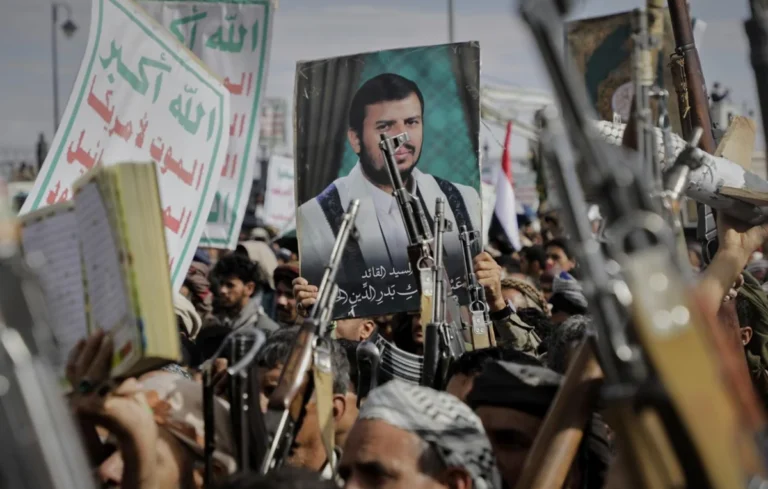
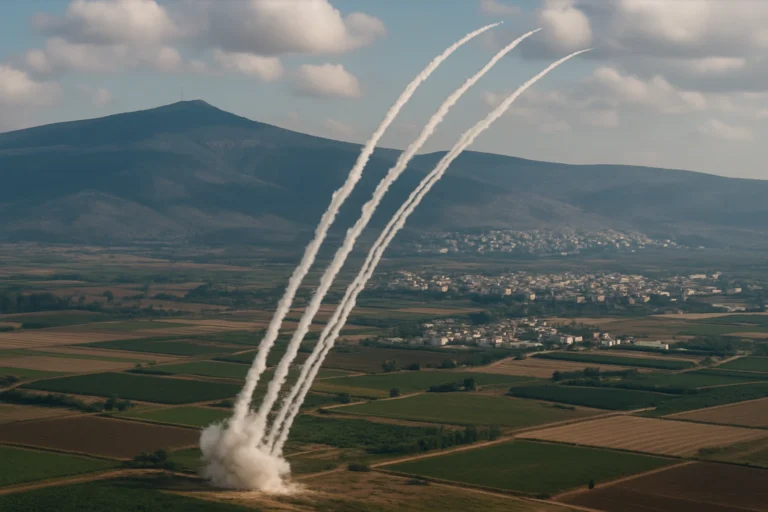
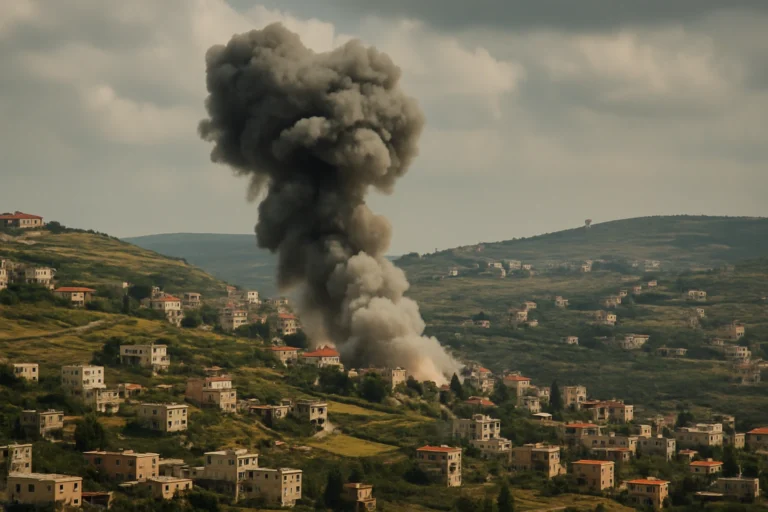
The Middle East remains a focal point of global attention, not only for its rich history and cultural heritage but also for its contemporary geopolitical dynamics. The ongoing conflicts in Syria, Yemen, and Libya are indicative of the region's volatility and the complex interplay of local and international interests. The rise of extremist groups and the subsequent responses from various governments have further complicated the situation, impacting millions of lives.
Additionally, the normalization of relations between Israel and several Arab nations, such as the United Arab Emirates and Bahrain, marks a significant shift in the geopolitical landscape. These developments highlight the potential for new alliances and cooperative efforts in addressing common challenges, such as economic development and security concerns. The role of the Middle East in global energy markets continues to shape international relations, as countries navigate their interests in a rapidly changing world.
The cultural contributions of the Middle East also remain relevant, influencing art, cuisine, and literature around the globe. The region's rich traditions continue to inspire artists, chefs, and writers, fostering a greater understanding and appreciation of its diverse cultures. Intercultural dialogue and exchange are essential for promoting peace and understanding, especially in a world often characterized by division and conflict.
Conclusion
The Middle East is a region steeped in history, culture, and significance. Its ancient civilizations laid the foundation for modern society, while its diverse populations and rich traditions continue to shape the world in myriad ways. The Jewish community in Azerbaijan exemplifies the resilience and adaptability of cultures within this complex tapestry, navigating their identity amid the broader historical context of the Middle East.
As we reflect on the past and look toward the future, it is essential to recognize the importance of the Middle East in our global narrative. Understanding its history, culture, and current relevance can foster greater empathy and collaboration among peoples, paving the way for a more peaceful and interconnected world. The Middle East, with all its complexities, remains a vital part of our shared human experience, and its stories are far from over.
Read the latest articles on "Middle East" at the Jewish News Portal of Azerbaijan. All content is updated regularly.