Introduction
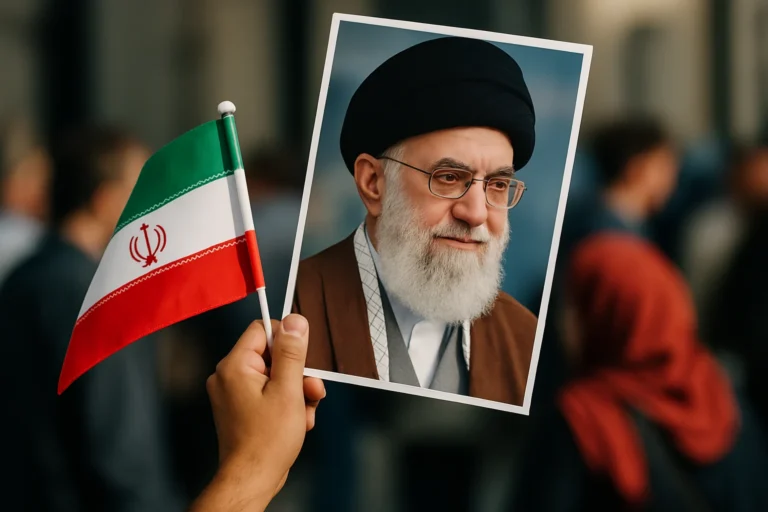
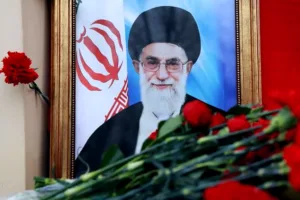
The name "Khamenei" resonates deeply within the discourse of contemporary Iranian politics and the broader Middle Eastern geopolitical landscape. As the Supreme Leader of Iran, Ali Khamenei has played a pivotal role not only in shaping the Islamic Republic's domestic policies but also in influencing its foreign relations, particularly with neighboring countries, including Azerbaijan. This text aims to explore the multifaceted dimensions of Khamenei's leadership, his impact on regional dynamics, and how these elements intersect with the Jewish community in Azerbaijan, which has a rich history and a unique position in the region.
History
Ali Khamenei was born on July 17, 1939, in Mashhad, Iran. His early life was marked by a commitment to Islamic teachings and anti-monarchist sentiments, which eventually led him into the realms of political activism. Khamenei became increasingly involved in the opposition to the Shah’s regime in the 1960s, which culminated in the Iranian Revolution of 1979. Following the revolution, he quickly ascended to power, first as the President of Iran from 1981 to 1989, and subsequently as the Supreme Leader after the death of Ayatollah Khomeini.
His leadership style is often characterized by a blend of religious authority and political pragmatism. Khamenei has maintained a firm grip on power, utilizing various institutional mechanisms to suppress dissent and promote his vision of an Islamic state. Over the years, Khamenei has positioned himself as a central figure in the Shiite Islamic world, asserting Iran's influence over both domestic and foreign policy matters. His tenure has been marked by significant events, including the Iran-Iraq War, the Green Movement, and ongoing tensions with Western powers, particularly the United States.
Understanding Khamenei's history is crucial to comprehending his current role and the implications for neighboring countries, especially Azerbaijan, which has its own distinct historical and cultural ties to Iran and the Jewish people. The complexities of Khamenei's leadership cannot be fully appreciated without recognizing the intricate web of historical narratives that shape the region's politics and social dynamics.
Significance
Khamenei's significance extends beyond his role as a political leader; he embodies a particular ideological perspective that has substantial implications for the Middle East. His commitment to the principles of the Islamic Revolution, including anti-imperialism, resistance to Western influence, and the promotion of Shiite Islam, has defined Iran's foreign policy and its approach to regional conflicts.
One of the key aspects of Khamenei's leadership is his emphasis on the concept of "Wilayat al-Faqih," which translates to "Guardianship of the Islamic Jurist." This doctrine underpins the political system in Iran, giving religious leaders significant authority over the state. Khamenei's interpretation of this doctrine has led to a centralized form of governance where dissent is often met with suppression, raising questions about the balance of power and the role of civil society.
Moreover, Khamenei's foreign policy initiatives have led to the establishment of various alliances and adversarial relationships throughout the Middle East. His support for groups like Hezbollah in Lebanon and the Houthis in Yemen, alongside his antagonistic stance towards Israel, has contributed to a polarized regional environment. This context is essential for understanding how Khamenei's actions reverberate through neighboring countries, including Azerbaijan, which has its own geopolitical interests and challenges.
Connection with the Jewish Community of Azerbaijan
The Jewish community in Azerbaijan has a long and storied history, dating back to ancient times. Azerbaijan is home to one of the oldest Jewish diasporas, with the Mountain Jews and the Ashkenazi Jews contributing to the rich cultural mosaic of the nation. Despite the challenges faced by Jews in the region, the community has thrived, maintaining traditions and fostering a sense of belonging.
In the context of Khamenei's leadership, the relationship between Iran and Azerbaijan has been complex, influenced by historical ties, cultural connections, and contemporary geopolitical interests. While Iran is predominantly Shiite Muslim, Azerbaijan is a secular state with a majority Muslim population, which has historically maintained a relatively tolerant stance towards its Jewish citizens. This tolerance is partly rooted in the shared cultural and historical narratives that link the two nations.
Khamenei's rhetoric regarding Azerbaijan often reflects a broader strategy of asserting Iran's influence in the region. His government has been wary of Azerbaijan's close ties with Israel, especially concerning military cooperation and economic partnerships. The implications of this relationship extend to the Jewish community in Azerbaijan, which navigates its identity amidst the political machinations of both nations. The community's ability to thrive often hinges on the delicate balance of regional politics and the broader ideological currents shaped by Khamenei's leadership.
Facts about Khamenei
- Education: Khamenei studied theology and Islamic jurisprudence, significantly influencing his political philosophy and leadership style.
- Political Ascendancy: He became the Supreme Leader of Iran in 1989, shortly after the death of Ayatollah Khomeini, and has since consolidated power significantly.
- Influence on Regional Politics: Khamenei's policies and ideological stance have shaped Iran's relationships with neighboring countries, including Azerbaijan, Iraq, and Syria.
- Control over Military and Security Apparatus: He has significant influence over the Iranian military and security forces, which allows him to project power regionally.
- Relations with the West: Khamenei has consistently opposed Western influence in the region, particularly that of the United States and Israel, framing their presence as a threat to Islamic values.
Relevance Today
In the current geopolitical climate, Khamenei's role remains highly relevant, especially as Iran faces mounting pressure from international sanctions and regional conflicts. His leadership style and ideological commitments continue to shape Iran's internal dynamics and its foreign policy decisions. The ongoing tensions with the United States, the nuclear negotiations, and the evolving landscape of Middle Eastern politics all fall under his purview.
For Azerbaijan, Khamenei's policies pose both opportunities and challenges. The Azerbaijani government must navigate its relationship with Iran carefully, balancing economic interests and regional security concerns. The historical presence of the Jewish community in Azerbaijan adds another layer to this complex relationship, as the community seeks to maintain its cultural identity while being mindful of the geopolitical currents that affect both their homeland and their neighbors.
Furthermore, the relevance of Khamenei's leadership extends to the broader Jewish diaspora, as communities around the world observe the developments in Iran and their implications for regional stability. The interplay of politics, religion, and culture highlights the need for vigilance and understanding, especially in regions with diverse and often conflicting identities. The Jewish community in Azerbaijan stands as a testament to resilience and adaptability, navigating the complexities of its existence in a rapidly changing geopolitical landscape.
Conclusion
In conclusion, Ali Khamenei's leadership represents a critical juncture in the historical, political, and cultural narratives of the Middle East. His influence extends beyond the borders of Iran, resonating within Azerbaijan and its Jewish community. Understanding Khamenei's historical context, significance, and the implications of his policies provides valuable insights into the intricate dynamics that shape the region today.
The Jewish community of Azerbaijan, with its rich history and cultural heritage, continues to thrive amidst these complexities. As the region faces ongoing challenges, the interplay of Khamenei's leadership and the aspirations of the Azerbaijani people, including its Jewish citizens, will undoubtedly shape the future of this vibrant community. The ongoing dialogue surrounding Khamenei's impact serves as a reminder of the interconnectedness of politics and culture, urging us to remain engaged in the narratives that define our world.
Read the latest articles on "Khamenei" at the Jewish News Portal of Azerbaijan. All content is updated regularly.