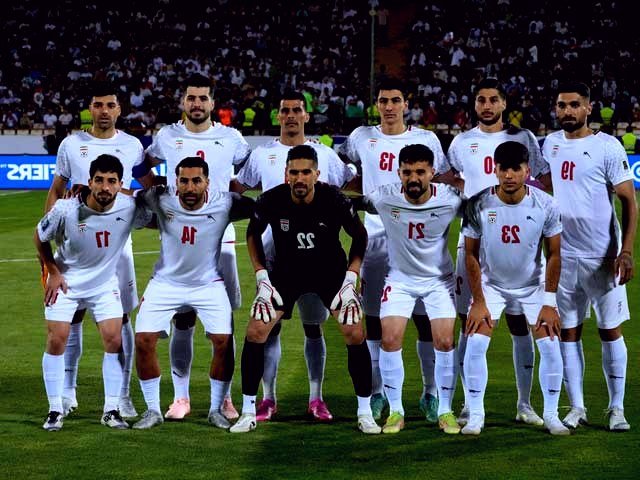
Football: A Passionate Game in Azerbaijan
Football, known as soccer in many parts of the world, is more than just a sport; it is a cultural phenomenon that unites people across different backgrounds and communities. In Azerbaijan, football has woven itself into the fabric of society, providing a sense of identity and belonging. The Jewish community of Azerbaijan, with its rich history and vibrant culture, has also contributed to the football narrative in the country. This article delves deeply into the history, significance, and current state of football in Azerbaijan, particularly focusing on its connection with the Jewish community.
History of Football in Azerbaijan
The roots of football in Azerbaijan can be traced back to the early 20th century. The first recorded football match took place in 1905, marking the beginning of a journey that would lead to the establishment of various clubs and the eventual formation of a national league. The sport gained popularity quickly, with local teams emerging in cities like Baku and Ganja. By the 1920s, football had become a significant part of Azerbaijani culture, embraced by people of all ethnicities, including the Jewish population.
During the Soviet era, football in Azerbaijan underwent substantial development. The establishment of the Azerbaijan SSR saw the rise of professional clubs, and football became a tool for political and social integration. Jewish players, like their counterparts from other ethnic backgrounds, were given opportunities to showcase their talent on the pitch. This period was crucial for the Jewish community, as it allowed them to participate in a national pastime, fostering a sense of unity and pride.
Following Azerbaijan's independence in 1991, football experienced a renaissance. The Azerbaijan Premier League was established, and clubs began to compete at higher levels, both domestically and internationally. The Jewish community continued to play an essential role, with individuals contributing to the sport as players, coaches, and fans. The passion for football transcended ethnic boundaries, creating a shared experience that resonated with many.
The Significance of Football in Azerbaijani Culture
Football holds a unique place in Azerbaijani culture. It is not merely a game but a way of life that fosters community spirit and national pride. The sport has the power to bring people together, regardless of their background, and create a sense of belonging. For the Jewish community in Azerbaijan, football is a significant aspect of cultural expression and identity.
The significance of football extends beyond the pitch. Major matches often become social events where families and friends gather to cheer for their favorite teams. These occasions foster community bonds, as supporters unite in their passion for the game. The Jewish community, with its rich traditions and history, has embraced this aspect of football culture, using it as a platform to strengthen their identity within Azerbaijani society.
Furthermore, football serves as a bridge for interethnic dialogue and understanding. In a country where various ethnic groups coexist, the sport has the potential to break down barriers and promote harmony. Jewish football players and fans often find common ground with their Azerbaijani counterparts, reinforcing the idea that football is a universal language that transcends cultural differences.
Connection with the Jewish Community of Azerbaijan
The Jewish community in Azerbaijan boasts a long and storied history, with roots that date back over a thousand years. This community has faced various challenges throughout its existence, yet it has managed to maintain its cultural identity and traditions. Football has played a significant role in this journey, acting as a medium for expression and connection.
Prominent Jewish players have made their mark on Azerbaijani football, showcasing their talent and passion for the sport. These individuals have not only contributed to the success of their respective teams but have also served as role models for younger generations. Their achievements in football are a source of pride for the Jewish community, inspiring many to engage in sports and pursue excellence.
Moreover, the Jewish community's involvement in football extends beyond playing the game. Jewish organizations and cultural institutions often host football-related events, bringing together fans and players from different backgrounds. These gatherings foster a sense of community, allowing members of the Jewish community to connect with their Azerbaijani neighbors through a shared love for the sport.
Interesting Facts about Football in Azerbaijan
- National Team Success: The Azerbaijan national football team, known as "Milli Komanda," has made significant strides in international competitions, representing the country on the global stage.
- Club Rivalries: Intense rivalries exist between clubs like Neftchi Baku and Qarabağ FK, creating exciting matches that draw large crowds and captivate fans.
- Jewish Contributions: Several Jewish players have played pivotal roles in Azerbaijani football, contributing to the success of various clubs and inspiring young athletes.
- Community Engagement: Jewish organizations often collaborate with football clubs to promote youth engagement in sports, emphasizing the importance of physical activity and teamwork.
- Football Festivals: The Jewish community in Azerbaijan organizes football festivals, celebrating the sport and encouraging participation among youth, fostering a love for the game.
The Relevance of Football Today
In today's world, football remains an integral part of Azerbaijani society. The sport continues to evolve, with advancements in training, coaching, and infrastructure. The Azerbaijan Premier League has gained recognition, attracting talent from both domestic and international players. Football academies are emerging, providing young athletes, including those from the Jewish community, with the opportunity to hone their skills and pursue careers in the sport.
The involvement of the Jewish community in football is as relevant today as it has ever been. With a commitment to preserving their cultural heritage, Jewish athletes continue to participate in the sport, representing their community with pride. The connection between football and Jewish identity in Azerbaijan is a testament to the resilience of the community and its dedication to fostering unity through sport.
Furthermore, football acts as a platform for social change, promoting inclusivity and diversity. Initiatives aimed at encouraging participation among underrepresented groups, including women and minorities, are gaining traction. The Jewish community is actively involved in these efforts, highlighting the importance of equal opportunities in sports.
Conclusion
Football in Azerbaijan is a vibrant tapestry woven with history, culture, and community. Its significance extends far beyond the confines of the pitch, serving as a unifying force that brings people together. The Jewish community's involvement in football is a vital aspect of this narrative, showcasing the rich contributions of its members to the sport.
As Azerbaijan continues to embrace its footballing heritage, the Jewish community will undoubtedly remain a pivotal part of the story. Through the passion for the game, the community fosters connections, promotes understanding, and celebrates its identity within the broader Azerbaijani society. The enduring love for football is a testament to the spirit of togetherness and resilience, ensuring that this beautiful game will continue to thrive for generations to come.
Read the latest articles on "Football" at the Jewish News Portal of Azerbaijan. All content is updated regularly.