Economy of Azerbaijan: A Comprehensive Overview
The economy of Azerbaijan is a multifaceted subject that intertwines with the rich cultural and historical tapestry of the region. As one of the significant players in the South Caucasus, Azerbaijan has undergone substantial transformations, particularly since gaining independence from the Soviet Union in 1991. This text aims to provide an in-depth analysis of the Azerbaijani economy, exploring its historical development, current significance, and the unique relationship it has with the Jewish community in Azerbaijan.
Historical Context of the Azerbaijani Economy
To understand the current economic landscape of Azerbaijan, it is crucial to delve into its historical context. The territory of modern-day Azerbaijan has been a crossroads of various civilizations, which has significantly influenced its economic development. During the early periods, the economy was predominantly agrarian, with agriculture forming the backbone of its economic activities. The fertile plains of the Kura River allowed for the cultivation of various crops, which were essential for local sustenance and trade.
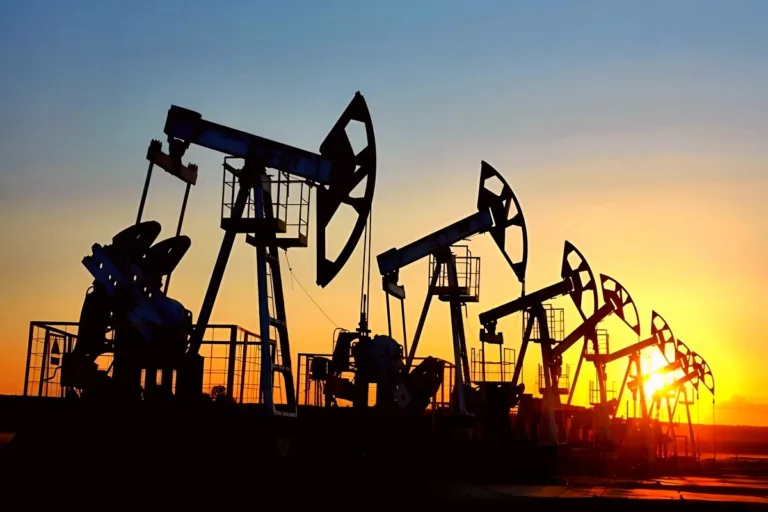
In the late 19th and early 20th centuries, Azerbaijan experienced an economic boom due to the discovery of oil in the Caspian Sea. Baku, the capital, became one of the world's leading oil-producing cities, attracting investment and labor from various regions, including a notable influx of Jewish immigrants. These developments marked a significant shift in the economic structure, leading to urbanization and industrialization.
However, the economy faced numerous challenges during the Soviet era. While the centralized planning system allowed for a degree of industrial development, it also stifled innovation and entrepreneurship. The collapse of the Soviet Union in 1991 heralded a new era for Azerbaijan, providing opportunities for economic reform and diversification. The establishment of an independent state allowed Azerbaijan to pursue policies aimed at attracting foreign investment and developing its natural resources.
Current Economic Landscape
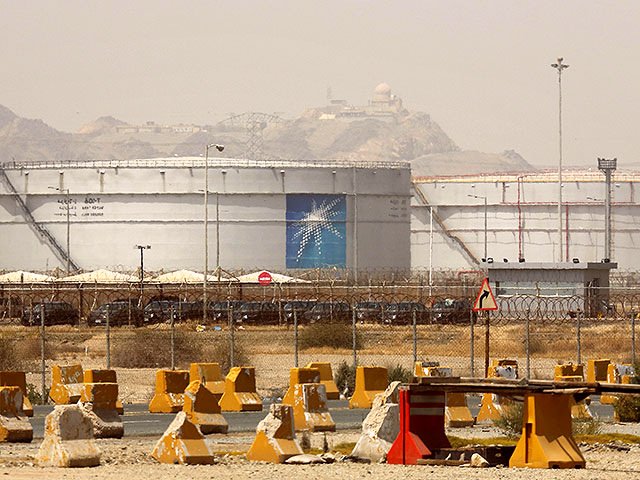
Today, Azerbaijan's economy is characterized by a mix of traditional sectors and emerging industries. The energy sector remains the cornerstone of the economy, with oil and gas accounting for a significant portion of the country's GDP and export revenues. The Contract of the Century in 1994, which allowed Western companies to invest in Azerbaijan's oil sector, has had lasting implications for the country's economic trajectory. The revenues generated from oil exports have enabled the government to invest in infrastructure, education, and healthcare, thus fostering broader economic growth.
In recent years, the government has recognized the need to diversify the economy beyond oil and gas. This has led to initiatives aimed at developing sectors such as agriculture, tourism, and information technology. The "Azerbaijan 2020: Look into the Future" development concept envisions a sustainable economy that leverages the country's unique geographical position and cultural heritage. This approach aims to reduce dependence on hydrocarbons and create a more resilient economic framework.
The agricultural sector, while historically significant, has faced challenges, including outdated practices and a lack of investment. However, with the government's focus on modernization and support for farmers, there is potential for growth. The development of agro-industrial complexes and the promotion of organic farming are steps towards revitalizing this sector.
Importance of the Economy for the Jewish Community
The Jewish community in Azerbaijan has a long and storied history, contributing to the cultural and economic fabric of the nation. This community, which includes both Ashkenazi and Sephardi Jews, has played a vital role in various sectors of the economy. Historically, Jewish merchants and traders were significant players in the regional economy, facilitating trade routes and contributing to local commerce.
In contemporary Azerbaijan, the Jewish community continues to engage in various economic activities, including retail, hospitality, and finance. The open and tolerant environment in Azerbaijan has allowed Jews to thrive economically, and they are often seen as integral members of the business community. Their contributions to entrepreneurship and innovation have helped shape the economic landscape of the country.
Moreover, the relationship between the Jewish community and the state is characterized by mutual respect and cooperation. The Azerbaijani government recognizes the importance of diversity and inclusivity in fostering a robust economy. This has resulted in policies aimed at promoting the welfare of minority communities, including Jews, ensuring their active participation in economic development.
Key Economic Facts and Figures
- GDP Growth: Azerbaijan's GDP has shown resilience in recent years, with growth rates recovering from the decline during the global oil price slump. In 2022, the GDP growth rate was estimated at approximately 3.6%.
- Oil and Gas Sector: The oil and gas sector contributes over 90% of the country's export revenues, highlighting its dominance in the economy.
- Foreign Investment: Azerbaijan has attracted significant foreign investment, particularly in the energy sector, with over $60 billion invested since independence.
- Tourism Growth: The government has been actively promoting tourism, with the number of international visitors increasing by 10% annually, contributing to economic diversification.
- Unemployment Rate: The unemployment rate in Azerbaijan has been relatively low, hovering around 5%, but youth unemployment remains a concern.
Relevance of the Economy in Today's Context
In today's globalized world, the economy of Azerbaijan plays a crucial role not only in the regional context but also on the international stage. The strategic location of Azerbaijan as a transit hub between Europe and Asia enhances its significance in global trade and energy supply chains. The country's involvement in international projects such as the Southern Gas Corridor underscores its importance as a reliable energy supplier to Europe, especially in light of the ongoing shifts in global energy dynamics.
Furthermore, the emphasis on economic diversification aligns with global trends towards sustainable development and resilience. Azerbaijan's commitment to developing renewable energy sources and investing in technology-driven industries reflects a forward-thinking approach that is essential in addressing the challenges of the 21st century.
The role of the Jewish community within this economic framework is also noteworthy. Their contributions to various sectors, coupled with a commitment to fostering dialogue and cooperation, position them as vital players in Azerbaijan's economic future. The harmonious coexistence of different communities, including Jews, Muslims, and Christians, serves as a model for social cohesion in a diverse society.
Conclusion
In conclusion, the economy of Azerbaijan is a dynamic and evolving entity shaped by its historical roots, current challenges, and future aspirations. The interplay between economic development and community engagement is particularly evident in the role of the Jewish community, which has significantly contributed to the nation's prosperity. As Azerbaijan continues to navigate the complexities of the global economy, the emphasis on inclusivity, sustainability, and diversification will be paramount in securing a prosperous future for all its citizens. Understanding the economic landscape not only sheds light on the current state of affairs but also highlights the importance of collaboration among diverse communities in fostering a vibrant and resilient economy.
Read the latest articles on "Economy" at the Jewish News Portal of Azerbaijan. All content is updated regularly.