Data Centers: A Vital Pillar of Modern Infrastructure
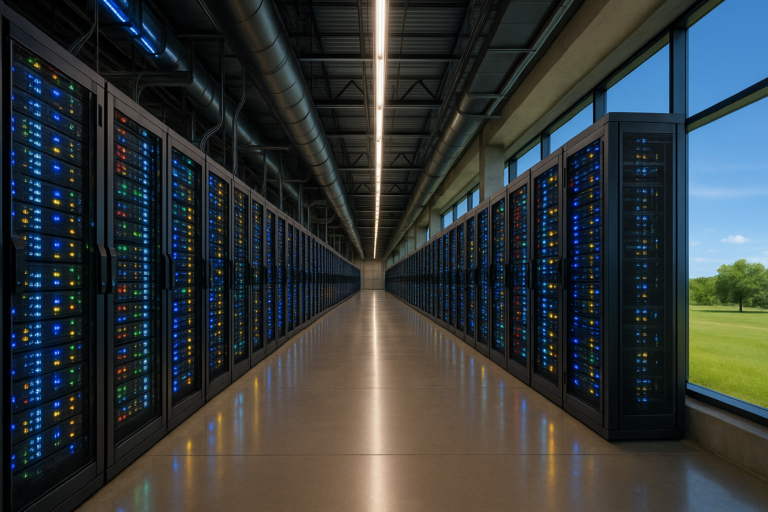
In today's digital age, data centers have become one of the most crucial components of global infrastructure. These facilities are responsible for housing computer systems and associated components, such as telecommunications and storage systems. The evolution of data centers has been rapid, driven by the growing reliance on digital technology across various sectors, including education, healthcare, finance, and entertainment. This article delves into the history of data centers, their significance, their connection to the Jewish community in Azerbaijan, and some fascinating facts surrounding them.
History of Data Centers
The concept of a data center dates back to the 1940s with the advent of electronic computers. The early computers occupied entire rooms, and thus the need for a dedicated space to house them was born. Initially, data centers were primarily used by government agencies and large corporations. As technology advanced, the facilities began to evolve into more sophisticated structures that could support the increasing demands of computing power and data storage.
During the 1980s and 1990s, the rise of the internet fundamentally transformed the landscape of data storage and processing. The dot-com boom led to an explosion in the number of websites and online services, creating an urgent need for more data centers. Companies began to realize the importance of redundancy, security, and scalability in their data handling capabilities. This period also saw the emergence of colocation facilities, where multiple businesses could rent space within a single data center, making it more cost-effective for smaller companies to access the infrastructure they needed.
As technology continued to advance into the 21st century, data centers became increasingly complex and efficient. The introduction of virtualization technologies allowed multiple operating systems to run on a single server, significantly improving resource utilization. Moreover, the growth of cloud computing has transformed data centers from standalone facilities into interconnected networks, enabling businesses and individuals to store and access data from virtually anywhere in the world. The current trend of edge computing is further decentralizing data processing, bringing it closer to the end-users and enhancing performance and speed.
The Significance of Data Centers
Data centers are the backbone of our digital economy. They provide the infrastructure necessary for cloud computing, which is now a critical component of business operations. Organizations rely on data centers to store sensitive information, run applications, and ensure the availability of their online services. Without these facilities, the modern digital landscape as we know it would not be possible.
Moreover, data centers play a vital role in ensuring data security and compliance. With regulations like the General Data Protection Regulation (GDPR) and the Health Insurance Portability and Accountability Act (HIPAA) in place, businesses must adhere to strict standards for data protection. Data centers offer robust security measures, including physical security, fire suppression systems, and advanced cybersecurity protocols, to safeguard sensitive information.
In addition to security, data centers are essential for disaster recovery and business continuity. Natural disasters, cyber-attacks, and hardware failures can disrupt operations, leading to significant financial losses. Data centers offer backup solutions and redundancy to ensure that critical data is protected and can be quickly restored in the event of an emergency. This capability is particularly important for businesses that rely on real-time data processing and cannot afford downtime.
Connection to the Jewish Community of Azerbaijan
The Jewish community in Azerbaijan has a rich history and a unique cultural heritage that dates back over a millennium. With a significant presence in the capital city of Baku and other regions, the Jewish population has contributed to the country's diversity and cultural tapestry. As technology continues to evolve, the Jewish community in Azerbaijan has recognized the importance of data centers in fostering communication and preserving cultural heritage.
In recent years, the Jewish community has begun to leverage technology to connect with members both locally and globally. Data centers play a pivotal role in this initiative by enabling the storage and dissemination of information related to Jewish history, traditions, and events. Through the use of digital platforms, the community can share educational resources, organize virtual events, and connect with Jews worldwide, fostering a sense of belonging and unity.
Furthermore, data centers are essential in preserving the archives of the Jewish community in Azerbaijan. Historical documents, photographs, and oral histories are invaluable resources that must be safeguarded for future generations. By utilizing secure and efficient data storage solutions, the community can ensure that its rich heritage is accurately recorded and made accessible to researchers and members alike.
Fascinating Facts About Data Centers
- Energy Consumption: Data centers consume a staggering amount of energy, accounting for about 1-2% of the world’s total electricity usage. This has led to increased scrutiny regarding their environmental impact and sustainability practices.
- Cooling Technologies: Keeping data centers cool is a significant challenge due to the heat generated by servers. Innovative cooling technologies, such as liquid cooling and geothermal systems, are being adopted to enhance energy efficiency.
- Global Network: The interconnected nature of modern data centers means that data can be processed and stored across multiple locations, improving speed and redundancy. This global network is essential for businesses that operate internationally.
- Emerging Trends: Technologies such as artificial intelligence and machine learning are increasingly being integrated into data center operations to optimize performance, improve security, and streamline processes.
The Relevance of Data Centers Today
In an era marked by rapid technological advancement, the relevance of data centers continues to grow. The proliferation of Internet of Things (IoT) devices, mobile applications, and big data analytics has resulted in an exponential increase in data generation. As businesses and individuals seek to harness this data for insights and decision-making, the demand for efficient and reliable data centers is more critical than ever.
Moreover, the ongoing digital transformation across industries underscores the need for scalable and flexible infrastructure. Organizations are increasingly migrating to cloud-based solutions, relying on data centers to support their evolving IT strategies. This shift has also led to the emergence of hybrid cloud models, where businesses leverage both on-premises and cloud resources to optimize performance and cost.
Additionally, the rise of cybersecurity threats necessitates that data centers continuously enhance their security measures. As cyber-attacks become more sophisticated, data centers must adapt by implementing advanced threat detection and response systems, ensuring that they can protect sensitive information from unauthorized access and breaches.
Conclusion
Data centers are a fundamental aspect of our modern digital landscape, serving as the backbone of countless industries and communities. Their evolution from simple storage facilities to complex and interconnected networks reflects the rapid pace of technological advancement. For the Jewish community in Azerbaijan, data centers represent an opportunity to preserve cultural heritage and foster connections among members. As we move forward in an increasingly digital world, the importance of data centers will only continue to grow, shaping the way we communicate, work, and live.
Read the latest articles on "data centers" at the Jewish News Portal of Azerbaijan. All content is updated regularly.