Cuba Strengthens Military Training in Response to Threat from the U.S.
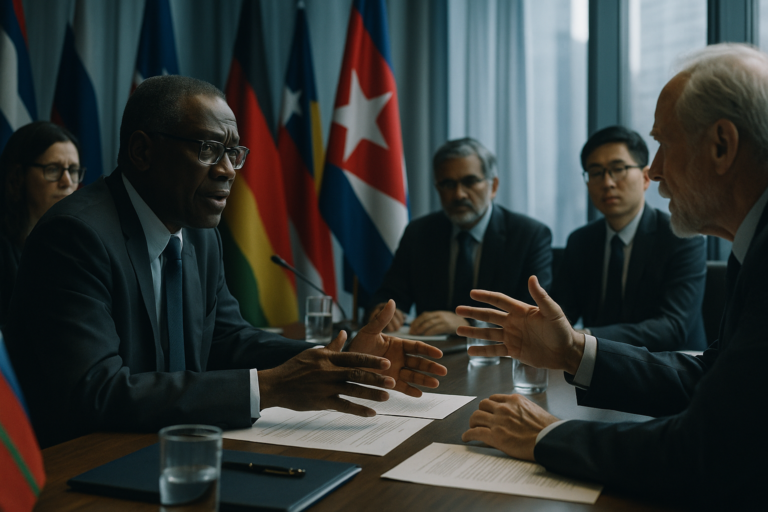
Cuba is enhancing its military training programs in response to perceived threats from the United States. The government believes that increased military…
Learn about the events in Cuba and their impact on international relations and the Jewish community.
Cuba is enhancing its military training programs in response to perceived threats from the United States. The government believes that increased military…
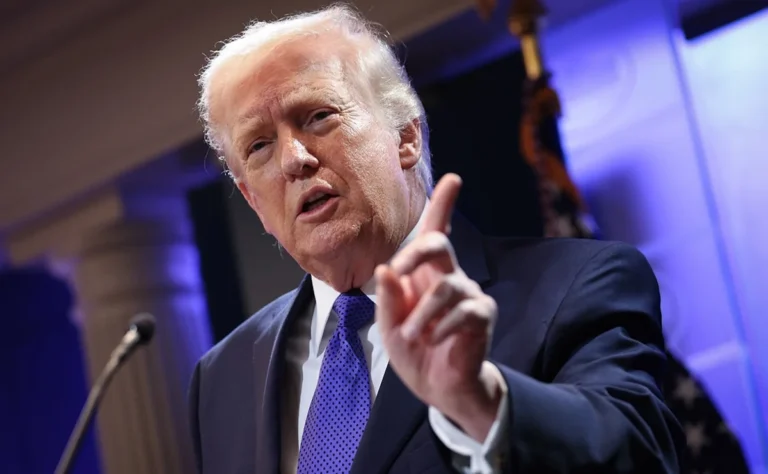
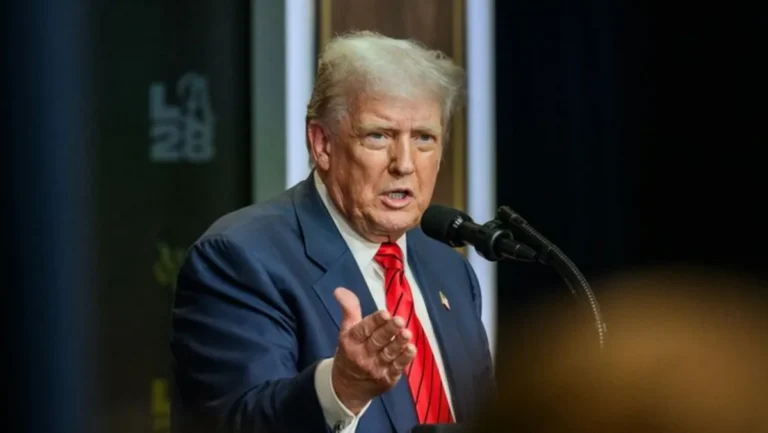
President Trump has issued a stern warning to Cuba regarding the repercussions of their decision to back out of a proposed agreement.…
The United States is preparing to wrap up its operations against Iran before shifting its focus to Cuba.
Cuba is enhancing its military training programs in response to perceived threats from the United States. The government believes that increased military readiness is essential...
President Trump has issued a stern warning to Cuba regarding the repercussions of their decision to back out of a proposed agreement. The deal, which...
The United States is preparing to wrap up its operations against Iran before shifting its focus to Cuba.
Cuba has a rich historical context that significantly influences its international relations and various communities, including the Jewish population. The Cuban Revolution of 1959, led by Fidel Castro, marked a turning point in the country's political landscape, transforming it from a U.S.-backed regime to a socialist state. This shift strained relations with the United States and led to Cuba aligning more closely with the Soviet Union during the Cold War. The embargo imposed by the U.S. has had profound economic implications for Cuba, affecting not only its citizens but also its interactions with other nations, such as those in Latin America and Europe.
Within this complex environment, the Jewish community in Cuba has navigated its unique challenges and opportunities. Historically, Jews have been a small but significant part of Cuba's society, contributing to its cultural and economic fabric. The post-revolution era saw many Jews leaving the island, but those who remained adapted to the changing political climate. The Jewish community has worked to preserve its heritage while also engaging in dialogue with the government to ensure their rights and cultural identity are respected. As Cuba opens up more to international relations, particularly with the United States, the Jewish community may find new avenues for cultural exchange and support, reflecting broader trends in Cuba's evolving global stance.