
Culture

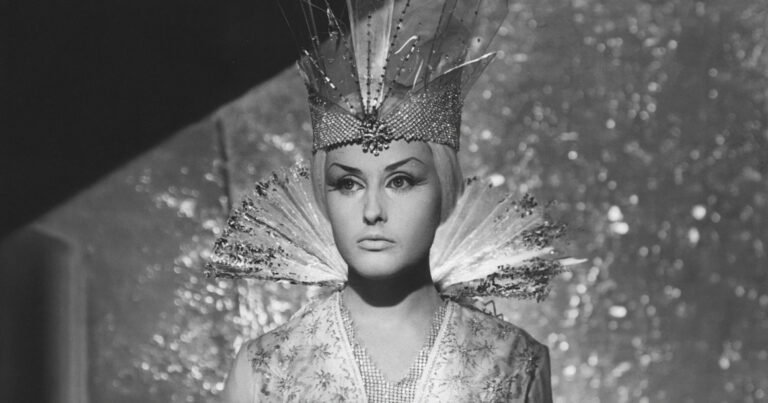
Natalia Klimova, the Snow Queen, Has Passed Away
Natalia Klimova, the Snow Queen, Has Passed Away Natalia Klimova was born in 1938 in Moscow. She completed her studies at the…
Film is not only entertainment but also an important element of culture that reflects the life and traditions of the Jewish people in Azerbaijan. Here you will find information about the best films related to Jewish themes, as well as about film festivals and events taking place in our region.
Don’t miss the opportunity to learn about significant cinematic works that introduce viewers to the unique history and culture of the Jewish people. Follow our updates and dive into the world of cinema!
Natalia Klimova, the Snow Queen, Has Passed Away Natalia Klimova was born in 1938 in Moscow. She completed her studies at the…

Natalia Klimova, the Snow Queen, Has Passed Away Natalia Klimova was born in 1938 in Moscow. She completed her studies at the Moscow Art Theatre...
Cinema, as a form of art, has a rich history and a tremendous influence on the culture of various peoples, including the Jewish community of Azerbaijan. Since its inception in the late 19th century, cinema has become a powerful tool for conveying ideas, emotions, and cultural values. In this article, we will explore the history of cinema, its significance, and its impact on the Jewish community in Azerbaijan.
Cinema emerged in the late 1800s with the invention of the cinematograph. The first films were short and silent, but they quickly evolved, capturing the attention of audiences. With the advent of sound film in 1927, this art form made a giant leap forward, and cinema became accessible to audiences worldwide.
In Azerbaijan, cinema began to develop in the 1920s when the first feature films were created. In 1920, the Azerbaijan State Theater was established, which later became the foundation for the creation of national cinematography. The first full-length film was "The Bride" (1938), which marked the beginning of a long history of Azerbaijani cinema.
Cinema is an important element of cultural identity. It not only entertains but also shapes public opinion, reflects social issues, and fosters cultural dialogue. In the context of the Jewish community of Azerbaijan, cinema has become a platform for expressing Jewish culture and traditions.
The Jewish community in Azerbaijan has a long and rich history, which is reflected in the arts, including cinema. In the 20th century, many Jewish directors and screenwriters made significant contributions to the development of Azerbaijani cinema. Their works often touched on themes of identity, traditions, and cultural conflicts.
An important aspect is that cinema has become one of the ways to preserve Jewish identity in the multinational society of Azerbaijan. Films about Jewish life, culture, and traditions help maintain their uniqueness and pass it on to future generations.
Today, cinema remains a relevant and important element of culture. With the advancement of technology and the emergence of new formats, such as streaming services, cinema has become even more accessible to a wide audience. This creates new opportunities for the Jewish community in Azerbaijan to showcase their stories and cultural features.
Cinema is not just entertainment; it is a powerful tool for shaping cultural identity and transmitting values. In the context of the Jewish community of Azerbaijan, cinema plays an important role in preserving cultural heritage and traditions. It helps strengthen connections between generations and fosters dialogue between different cultures.
With each passing year, cinema continues to evolve, enriching the cultural landscape of Azerbaijan and the world. The Jewish community of Azerbaijan, in turn, continues to contribute to this art form, creating films that reflect its unique identity and rich history.