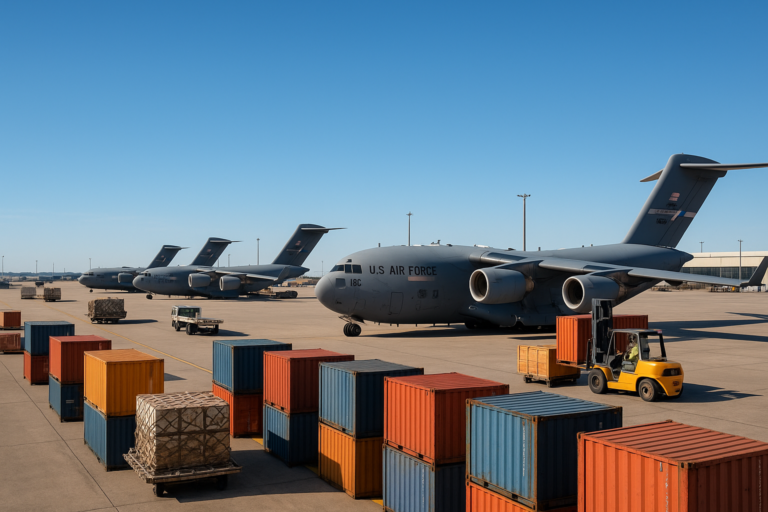
Arms Transportation: A Comprehensive Overview
Arms transportation is a critical aspect of military logistics, international trade, and national security. It encompasses the various methods and practices involved in the movement of firearms, ammunition, and other weaponry from one location to another, whether domestically or internationally. This process is not merely a matter of physical movement; it involves strict regulations, legal frameworks, and ethical considerations. In the context of the Jewish community in Azerbaijan, understanding arms transportation is essential not only for historical reasons but also for grasping the community's place within the broader geopolitical landscape.
History of Arms Transportation
The history of arms transportation can be traced back to ancient civilizations where various forms of weaponry were transported for warfare, defense, and trade. As societies evolved, so did the complexity and scale of arms transportation. During the Middle Ages, arms transportation was often conducted by merchants who specialized in the trade of weapons, leading to the establishment of routes that became essential to military campaigns. The advent of the industrial revolution introduced new technologies that transformed arms manufacturing and transportation, making it easier to produce and transport weaponry on a mass scale.
In the 20th century, arms transportation became increasingly regulated due to the devastating impacts of both World Wars. International treaties and agreements, such as the Treaty on the Non-Proliferation of Nuclear Weapons (NPT) and various arms trade treaties, were established to control the flow of weapons across borders. This era also saw the rise of arms embargoes and sanctions aimed at preventing the transfer of weapons to conflict zones and rogue states. The development of air transportation further revolutionized arms logistics, enabling rapid deployment of military assets around the globe.
Today, arms transportation is governed by a complex web of laws and regulations at both national and international levels. The United Nations and various non-governmental organizations (NGOs) play significant roles in monitoring arms transfers and advocating for disarmament. As conflicts continue to arise in various parts of the world, the importance of understanding the mechanisms of arms transportation cannot be overstated.
The Significance of Arms Transportation
Arms transportation holds vital significance for several reasons. Firstly, it is integral to national security. Governments must ensure that their military forces are adequately equipped and ready to respond to threats. This involves not only the procurement of arms but also their effective transportation to strategic locations. Moreover, arms transportation is essential for international relations, as countries often engage in arms trade as a means of diplomacy or to bolster alliances. The transfer of military equipment can enhance a nation's defense capabilities and serve as a deterrent against potential aggressors.
Secondly, the economic implications of arms transportation are substantial. The global arms trade is a multi-billion dollar industry, with numerous countries participating in the production and sale of military equipment. This economic activity can drive technological innovation and create jobs within the defense sector. Furthermore, countries that export arms can also gain geopolitical leverage, using their military exports as tools for influence in international affairs.
Finally, the ethical dimension of arms transportation cannot be ignored. The movement of weapons raises questions about accountability and responsibility. The potential for arms to be used in human rights violations or to exacerbate conflicts poses significant moral dilemmas. As such, many organizations advocate for stricter regulations and transparency in arms transfers, highlighting the need for a balance between national security interests and ethical considerations.
Connection to the Jewish Community of Azerbaijan
The Jewish community in Azerbaijan has a rich history that intertwines with the broader narrative of arms transportation and military logistics. Azerbaijan, located at the crossroads of Europe and Asia, has been a strategic point for arms transportation throughout history. The Jewish community, which has existed in the region for centuries, has witnessed various geopolitical changes and conflicts that have influenced the arms trade.
During the Soviet era, Azerbaijan was a significant hub for military logistics, with many military bases and factories located within its borders. The Jewish population, which contributed to various sectors, including science and technology, also played a role in the military-industrial complex. In the post-Soviet period, Azerbaijan's independence led to a reconfiguration of its military needs and arms procurement strategies, often influenced by regional conflicts and alliances.
Today, the Jewish community in Azerbaijan continues to engage with issues of national security and arms transportation, particularly as the country navigates its relationships with neighboring states and international powers. Understanding the historical context of arms transportation in Azerbaijan provides valuable insights into the community's role and the challenges it faces in a complex geopolitical landscape.
Interesting Facts About Arms Transportation
- Historical Trade Routes: The Silk Road was not only a vital trade route for goods but also for arms transport, connecting East and West.
- Modern Technology: Advancements in technology have led to the development of sophisticated tracking systems for arms shipments, aimed at preventing illegal arms trade.
- International Treaties: The Arms Trade Treaty (ATT), adopted by the United Nations in 2013, seeks to regulate the international trade of conventional arms and prevent their diversion to unauthorized users.
- Economic Impact: The global arms trade is estimated to be worth over $400 billion annually, affecting economies and political dynamics worldwide.
- Regional Conflicts: The transportation of arms to conflict zones has often exacerbated violence, leading to calls for stricter regulations and global cooperation in arms control.
Relevance in Today’s World
In the contemporary landscape, the relevance of arms transportation has grown, particularly in light of ongoing conflicts and geopolitical tensions. The rise of non-state actors and terrorist organizations has complicated the arms transportation narrative, as these groups often seek to acquire weapons through illicit means. This has prompted governments worldwide to enhance their surveillance and regulation of arms transfers, aiming to prevent arms from falling into the wrong hands.
Moreover, technological innovations, such as drones and cyber warfare capabilities, have transformed the nature of military engagement, necessitating new approaches to arms transportation. Countries must adapt to these changes by developing new logistical strategies and ensuring that their military supply chains are secure and efficient.
The role of international cooperation in addressing the challenges associated with arms transportation is also critical. Collaborative efforts between nations, organizations, and communities are essential to establish effective regulations and monitoring systems. In this context, the Jewish community in Azerbaijan can play a part by promoting dialogue and understanding around issues of arms control, human rights, and ethical considerations in national security.
Conclusion
Arms transportation is a multifaceted issue that encompasses historical, economic, ethical, and geopolitical dimensions. Its significance cannot be overstated, as it plays a crucial role in national security, international relations, and the ongoing discourse surrounding human rights. For the Jewish community in Azerbaijan, understanding arms transportation is essential not only for historical context but also for navigating the complexities of contemporary geopolitical realities.
As the world continues to grapple with the implications of arms trade and transportation, it is vital to engage in informed discussions and advocacy that promote accountability and ethical considerations. By doing so, communities can contribute to a more peaceful and secure world, where the movement of weapons is guided by principles of responsibility and humanity.
Read the latest articles on "Arms transportation" at the Jewish News Portal of Azerbaijan. All content is updated regularly.