
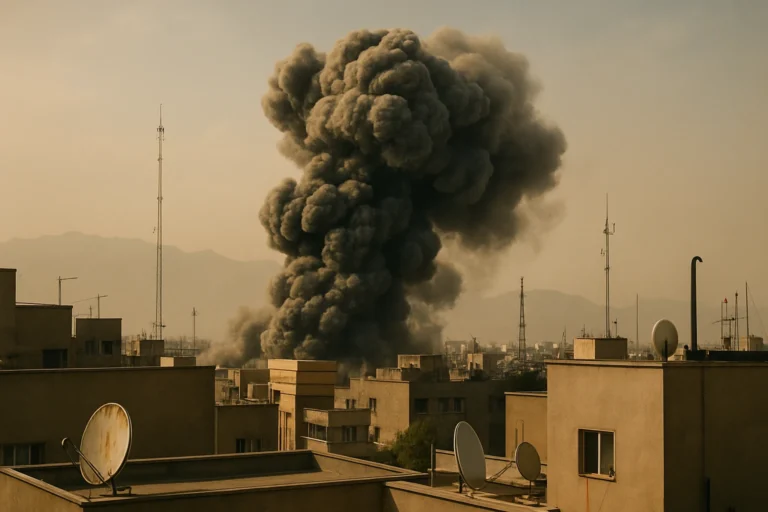
Israel’s Strikes on Tehran: New Information on Attack Targets
The Israel Defense Forces (IDF) have reported conducting airstrikes on various targets in the capital of Iran. According to sources close to…
airstrikes
The Israel Defense Forces (IDF) have reported conducting airstrikes on various targets in the capital of Iran. According to sources close to…
The Israel Defense Forces (IDF) have reported conducting airstrikes on various targets in the capital of Iran. According to sources close to the Al Hadath&he...
Airstrikes are military operations that involve the use of aircraft to deliver munitions on designated targets. These operations are typically conducted by the air forces of a nation and can serve various strategic purposes, including the destruction of enemy infrastructure, the neutralization of combatants, or the disruption of supply lines. The precision of modern airstrikes has significantly improved with advancements in technology, allowing for more targeted attacks that aim to minimize collateral damage and civilian casualties.
The decision to carry out airstrikes is often influenced by a range of factors, including intelligence assessments, political considerations, and the broader context of an ongoing conflict. While airstrikes can be effective in achieving immediate military objectives, they also raise ethical questions regarding the impact on civilian populations and the long-term consequences for affected regions. As conflicts evolve and the nature of warfare changes, the role of airstrikes continues to be a subject of debate among military strategists, policymakers, and humanitarian organizations.